

2026-10-23 | Gia
Patch vs Direct Embroidery: Which Is Better for Clothing Brands?
Patches are a strong choice for complex artwork, bold borders, layered designs, and logos that need to stand out from the garment. Direct embroidery works well for smaller logos and designs that benefit from a stitched finish integrated into the fabric. However, the right choice depends on more than appearance. Fabric weight, stretch, artwork size, stitch density, placement, order quantity, and the finished garment all affect the result.

2026-09-10 | Gia
Flat vs 3D Puff Embroidery: Which Is Better for Custom Apparel?
Flat embroidery and 3D puff embroidery are both effective ways to add logos and artwork to custom apparel, but they create very different results. Flat embroidery produces a clean, detailed stitched surface and works well for smaller logos, fine lettering, and designs with multiple details. 3D puff embroidery uses a foam layer beneath the stitches to create a raised, dimensional effect, making it particularly effective for bold logos and larger lettering.

2026-08-14 | Gia
DTG vs Screen Printing: Which Is Better for Apparel?
DTG and screen printing are both established apparel decoration methods, but they suit different production needs. DTG printing is usually better for detailed, full-color artwork, smaller batches, and designs that need smooth color transitions. Screen printing is generally more efficient for larger production runs, bold graphics, and repeat orders where setup costs can be spread across many garments.
2026-08-06 | Gia
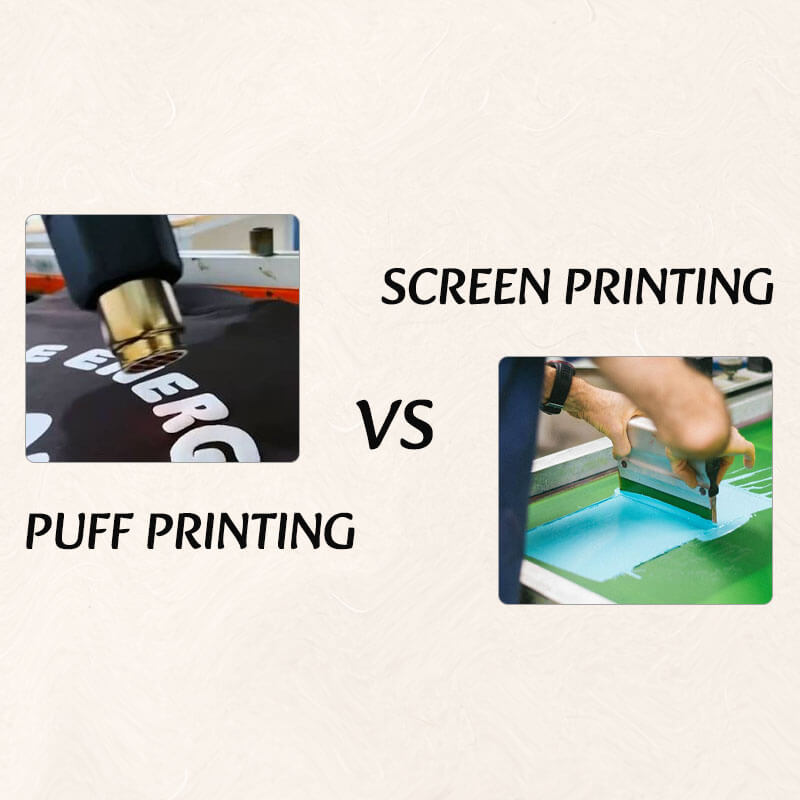
Puff Printing vs Screen Printing: Which Is Better for Apparel?
Puff printing and screen printing use similar printing foundations, but they create very different visual and tactile effects. Puff printing uses a special additive that expands during curing to create a raised 3D texture, making it suitable for premium logos, streetwear graphics, and designs that need a dimensional look. Screen printing creates a smooth, durable print surface and is usually more cost-effective for larger production runs.

2026-08-05 | Gia
Plastisol vs Water-Based Ink: Which Is Better for Apparel Printing?
Plastisol and water-based ink are two common screen printing inks used for custom apparel. Plastisol ink is known for its strong opacity, durability, and reliable production performance, making it popular for high-volume garment printing. Water-based ink creates a softer hand feel and a more integrated print appearance, which is often preferred for premium apparel.

2026-08-04 | Gia
Sublimation vs Screen Printing: Which Is Better for Apparel?
Sublimation and screen printing are both widely used apparel decoration methods, but they are suitable for different production needs. Sublimation is ideal for polyester garments, all-over designs, and detailed graphics because the ink becomes part of the fabric. Screen printing is more versatile across garment types and is often more cost-effective for larger production runs, especially with cotton-based apparel.
2026-08-01 | Gia
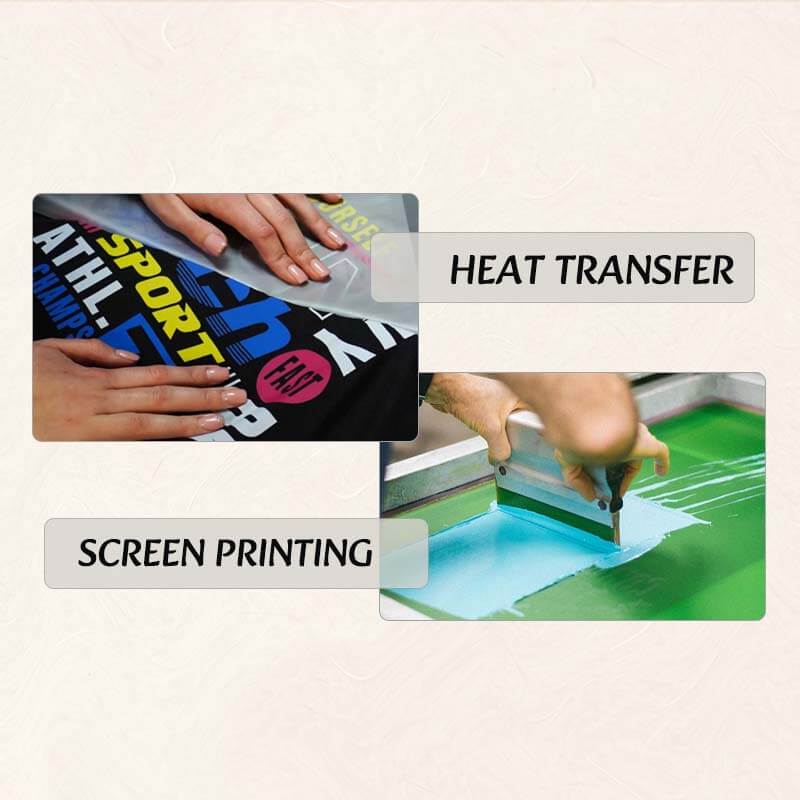
Screen Printing vs Heat Transfer: Which Method Is Right for Your Apparel Project?
Screen printing and heat transfer are both widely used apparel decoration methods, but they are suitable for different production needs. Screen printing is usually the better choice for medium to large production runs because setup costs can be distributed across higher quantities. Heat transfer is often more suitable for small batches, detailed artwork, and projects requiring flexible design changes.
2026-07-31 | Gia
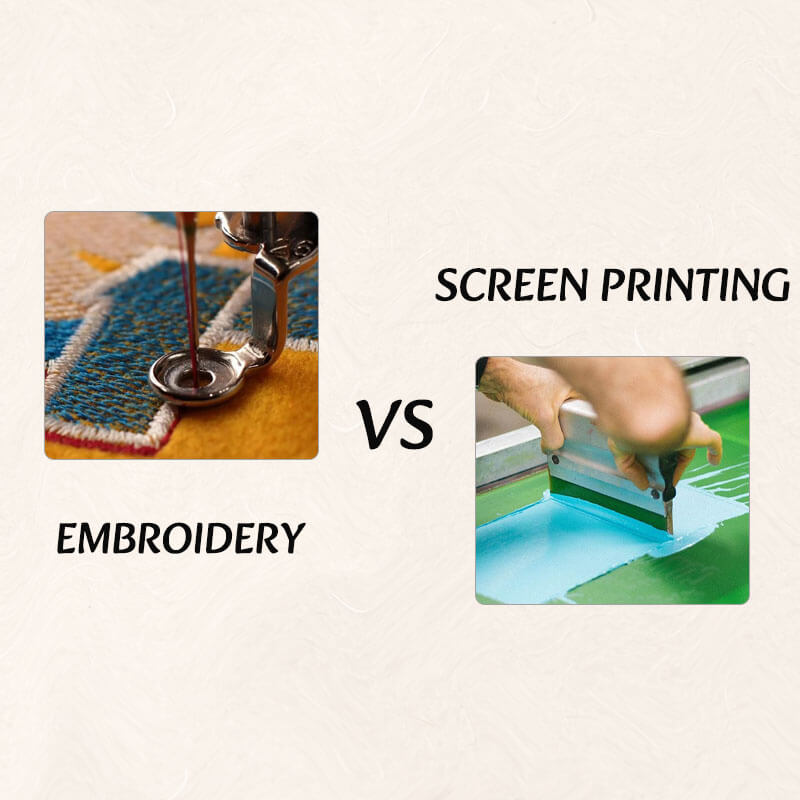
Embroidery vs Screen Printing: Which Is Better for Custom Apparel?
Embroidery and screen printing are two widely used garment decoration methods, but they serve different production needs. Embroidery creates a textured, premium appearance and works especially well for small logos, uniforms, polos, hoodies, and structured garments. Screen printing is better suited for large graphics, detailed artwork, and higher-volume production because it offers flexible colors and efficient bulk printing.
2026-07-29 | Gia
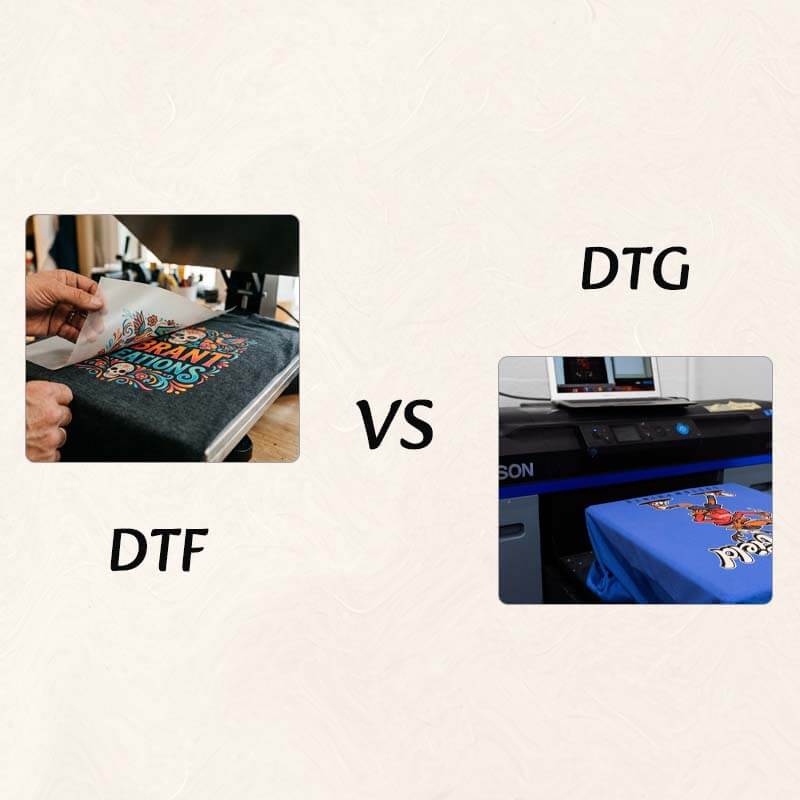
DTF vs DTG Printing: Which Printing Method Is Right for Your Apparel Project?
DTF and DTG are both digital garment printing methods, but they are designed for different production needs. For startup brands and small batch clothing production, DTF often provides more flexibility, while DTG can be a strong choice for high-quality cotton T-shirts with complex graphics.
2026-07-10 | Gia
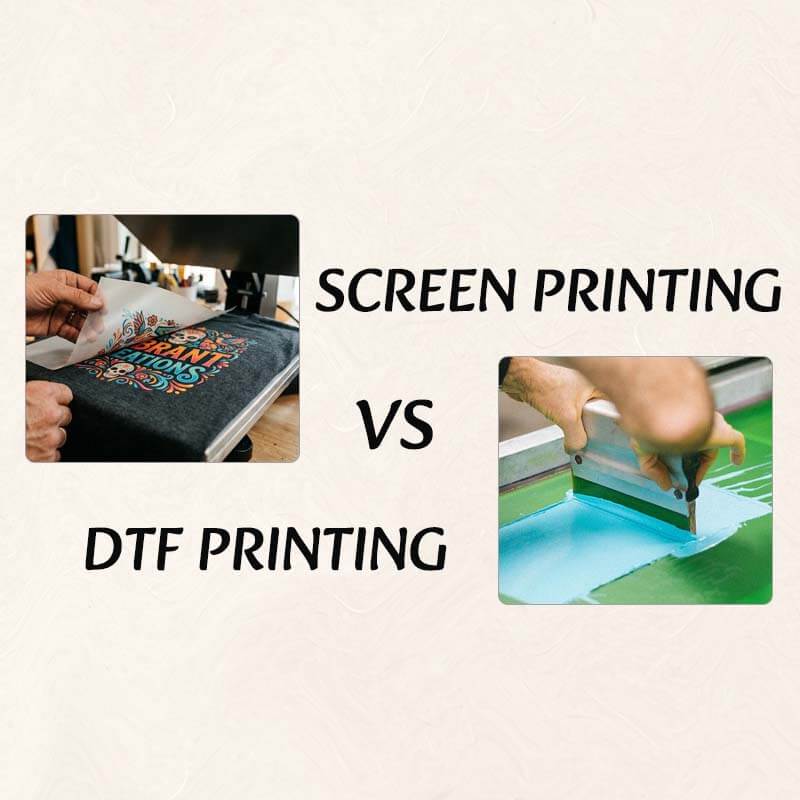
DTF vs Screen Printing: Which Printing Method Is Right for Your Apparel Project?
DTF (Direct-to-Film) printing and screen printing are both excellent garment decoration methods, but they excel in different production scenarios. DTF printing is ideal for small orders, highly detailed artwork, unlimited colors, and fast design changes because it requires virtually no setup. Screen printing, on the other hand, remains the preferred choice for large-volume production thanks to its low unit cost, vibrant solid colors, and exceptional production efficiency after setup.
- 1
- 2