
Screen Printing vs Heat Transfer: Which Method Is Right for Your Apparel Project?
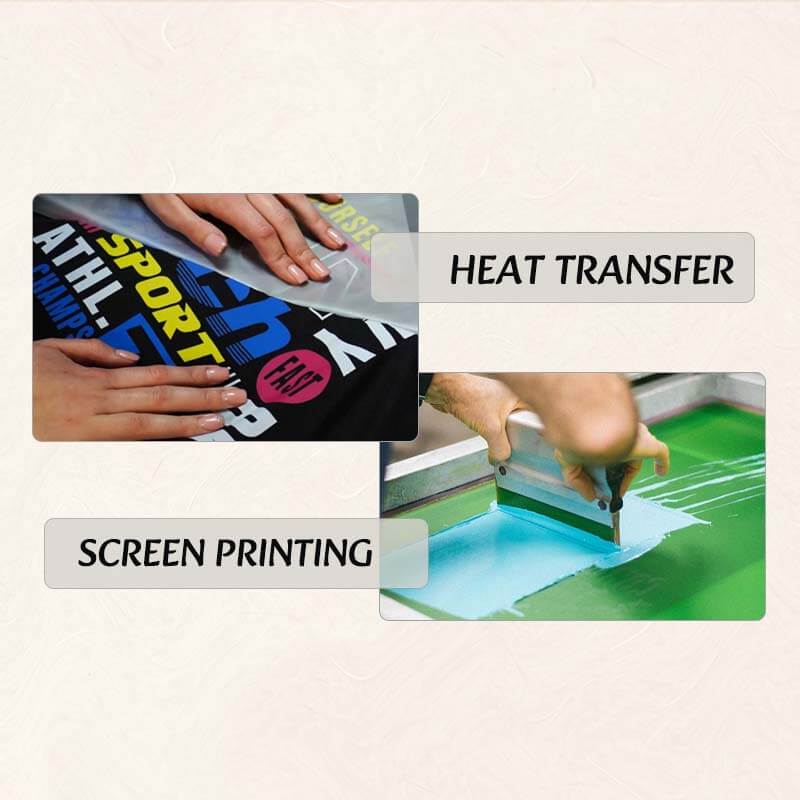
Key Takeaways
- Screen printing is generally more efficient for larger orders with repeated designs.
- Heat transfer provides greater flexibility for small batches and complex artwork.
- Production quantity and artwork requirements are major factors when selecting a decoration method.
- Both methods can achieve durable results when the correct materials and processes are used.
- Apparel brands should evaluate decoration methods based on long-term production goals, not only initial cost.
Table of Contents
Screen Printing vs Heat Transfer Comparison
| Factor | Screen Printing | Heat Transfer |
| Best Use | Medium to large production runs with repeated artwork | Small batches and flexible production needs |
| Setup | Requires screen preparation before printing | Requires transfer artwork preparation |
| Cost Structure | More efficient as order quantity increases | Often practical for lower quantities |
| Artwork | Suitable for simple and repeat graphics | Suitable for detailed and multi-color designs |
| Production Flexibility | Lower flexibility after setup | Higher flexibility for design changes |
| Common Applications | T-shirts, hoodies, uniforms, promotional apparel | Custom collections, samples, limited releases |
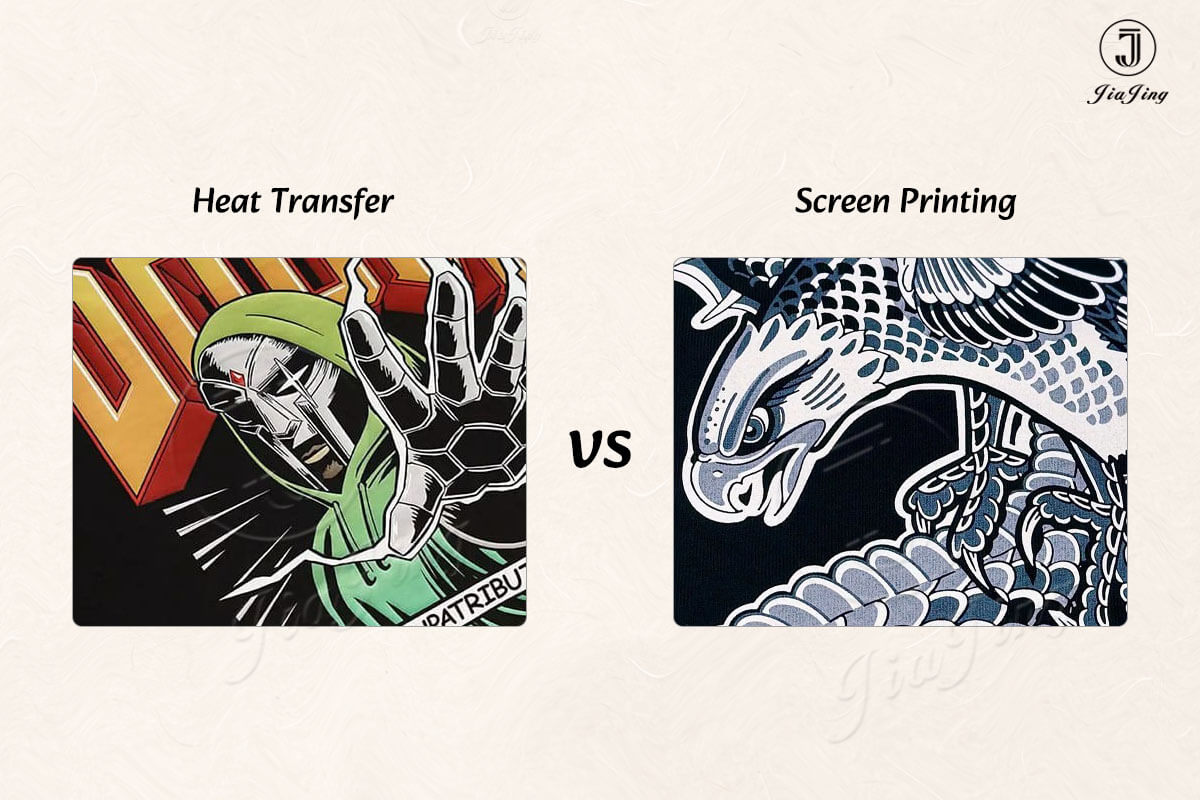
From a manufacturing perspective, choosing between screen printing and heat transfer requires more than comparing the decoration methods themselves. Apparel brands should also consider garment category, artwork requirements, production volume, and future reorder plans. Understanding different types of shirt printing can help buyers evaluate which method fits their product strategy.
What Is Screen Printing?
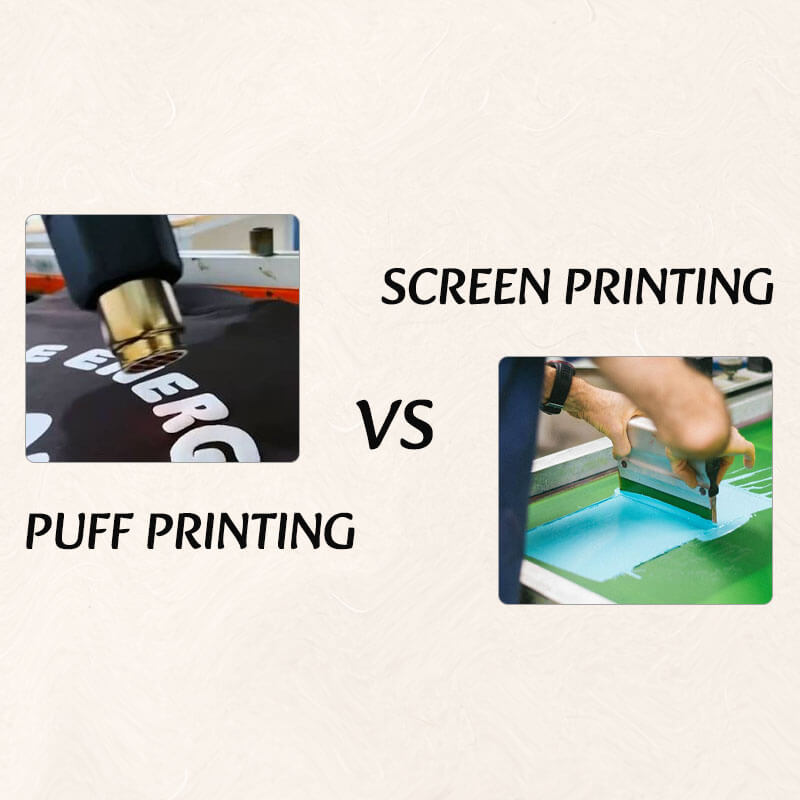
Screen printing is a garment decoration process where ink is pushed through a mesh screen onto fabric. Each color layer normally requires separate preparation, which means the process involves more setup before production begins.
In commercial apparel manufacturing, screen printing remains popular because it provides consistent results for repeated designs. Once the setup is completed, manufacturers can produce larger quantities efficiently while maintaining consistent color application.
Screen printing is commonly used for:
- Large logo applications
- Graphic T-shirts
- Streetwear collections
- Corporate uniforms
- Promotional apparel programs
For brands producing the same design repeatedly, screen printing can provide strong production efficiency. However, it may become less practical when a collection includes many different designs with limited quantities.
How Does Screen Printing Work?
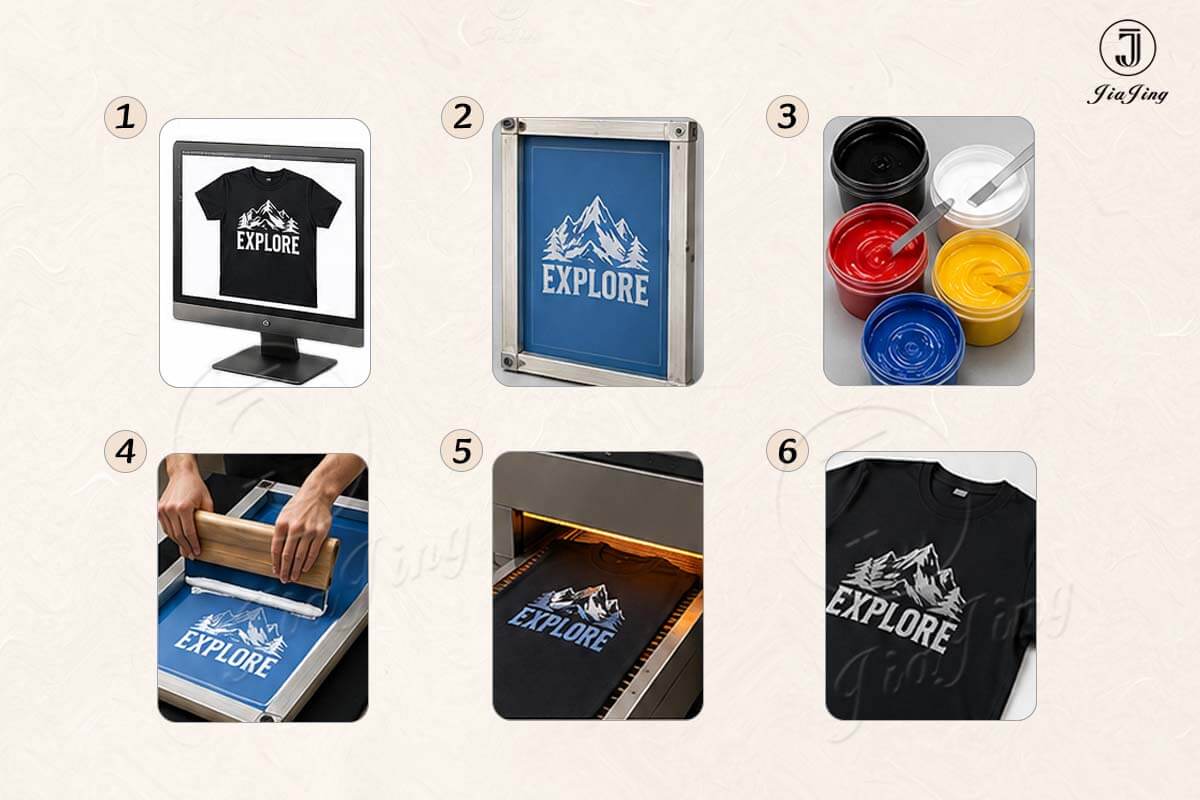
- The artwork is separated into individual color layers.
- Screens are prepared according to the design requirements.
- Ink is applied through the screen onto the garment.
- The printed garment is cured to improve durability.
- The finished products are inspected before packing.
During sample development, manufacturers usually test print appearance, color accuracy, and adhesion before moving into bulk production. This helps confirm that the selected decoration method matches the garment and artwork requirements.
What Is Heat Transfer?
Heat transfer is a decoration method where a printed or cut design is applied to fabric using heat and pressure. Instead of transferring ink directly through a screen, the design is prepared on transfer material before being bonded to the garment surface.
Heat transfer is often selected for projects that require flexibility because manufacturers can prepare different designs without the same level of screen setup required for traditional printing.
Common applications include:
- Small batch apparel collections
- Startup brand product testing
- Complex multi-color artwork
- Limited edition releases
For emerging brands, flexible production options such as small batch clothing manufacturing can help reduce inventory risk while testing new designs.
How Does Heat Transfer Work?
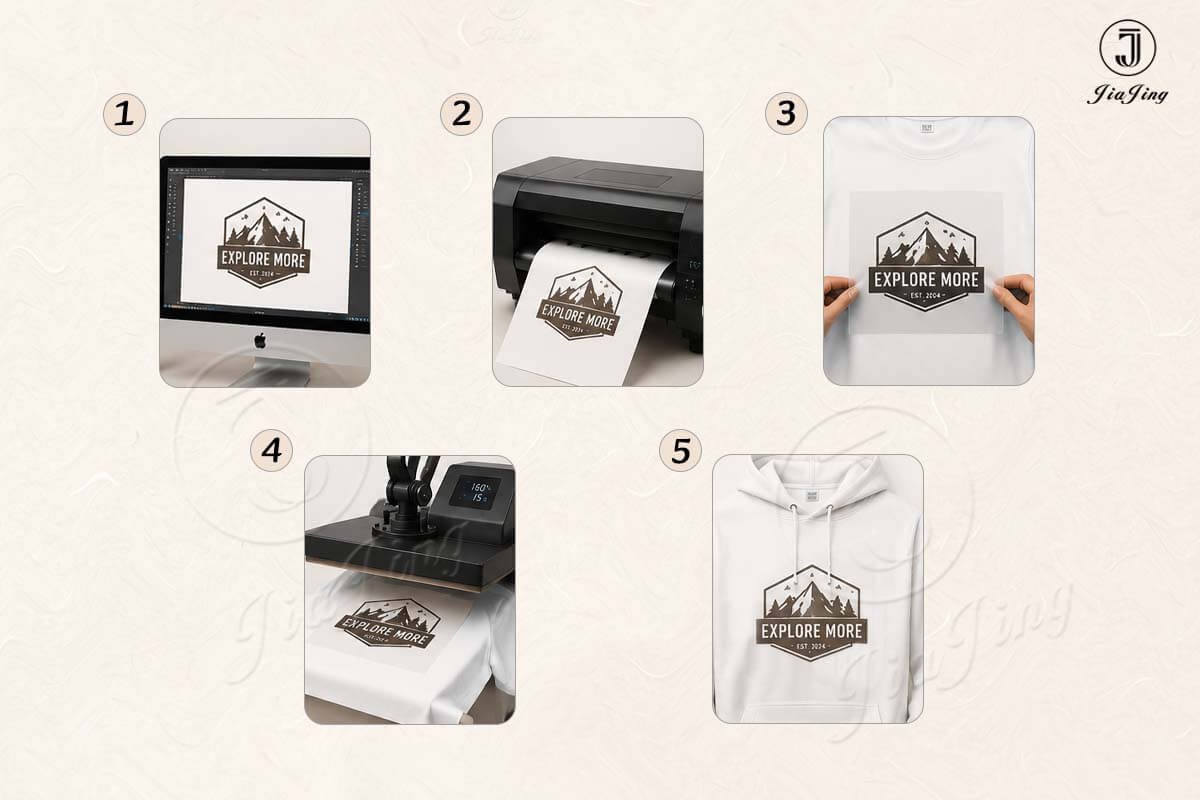
- The artwork is prepared digitally.
- The design is printed or created on transfer material.
- The transfer is positioned on the garment.
- Heat and pressure are applied using a heat press.
- The finished decoration is inspected.
The final performance of heat transfer depends on transfer quality, garment fabric, application settings, and production control. Testing the decoration method on the actual garment before bulk production helps reduce quality risks.
Which Costs Less?
The lower-cost option depends on production quantity, artwork requirements, and the overall project strategy. Screen printing often becomes more cost-efficient for larger production runs because the initial preparation cost is distributed across more garments. Heat transfer can be more practical for smaller quantities because it requires less setup before production.
| Cost Factor | Screen Printing | Heat Transfer |
| Setup Cost | Higher due to screen preparation and color setup | Usually lower |
| Small Orders | May have higher unit costs because setup is spread over fewer pieces | Often suitable for limited quantities |
| Bulk Production | Usually becomes more economical as volume increases | May become less competitive |
| Multiple Designs | Each design may require additional preparation | Allows more flexible design changes |
A common mistake among apparel buyers is choosing a decoration method only by the initial unit cost. The better approach is to consider total production value, including setup requirements, inventory risk, reorder frequency, and future scalability.
Cost Consideration for Apparel Brands
For example, a startup brand launching several small collections may prioritize flexibility and lower production risk. A growing brand with proven best-selling designs may benefit from a method that improves efficiency during repeat production.
Which Lasts Longer?
Both screen printing and heat transfer can provide durable results when the correct materials, application methods, and quality controls are used. Durability is influenced by the decoration technology, garment fabric, washing conditions, and production consistency.
| Durability Factor | Screen Printing | Heat Transfer |
| Print Performance | Provides reliable results when ink is properly cured | Depends on transfer material and application quality |
| Large Graphics | Commonly used for large-area designs | Can support detailed graphics |
| Fabric Impact | Performance depends on ink and fabric compatibility | Transfer adhesion and heat settings |
From a manufacturing perspective, durability should be evaluated during sampling rather than assumed based only on the decoration method. Testing the actual garment, fabric, and artwork combination provides a more accurate understanding before bulk production.
Quality Tip
A successful decoration result depends on more than the printing method. Manufacturers should also evaluate artwork preparation, garment surface, curing or pressing conditions, and final inspection standards.
Which Works on More Fabrics?
Screen printing and heat transfer can both be used across different apparel categories, but fabric characteristics influence the final result. Cotton, polyester, fleece, and performance materials may require different production considerations.
| Fabric Type | Production Consideration |
| Cotton | Both methods can perform well with proper application |
| Polyester | Requires attention to heat settings and material compatibility |
| Fleece Hoodies | Decoration choice should consider fabric thickness and design appearance |
| Performance Fabrics | Requires testing to maintain flexibility and durability |
When developing different garment categories, decoration selection should be evaluated together with product design. For example, printing choices for custom hoodie production may differ from lightweight T-shirt projects because fabric thickness, surface texture, and brand positioning can influence the final appearance.
Which Is Better for Small Orders?
Heat transfer is often a practical choice for small orders because it allows manufacturers to produce different designs with greater flexibility. This makes it suitable for brands testing new products, launching limited collections, or managing lower-volume production.
Small-batch buyers often consider:
- Lower inventory risk
- Multiple design testing
- Shorter preparation requirements
- Flexible collection planning
However, small quantity does not automatically mean heat transfer is always the best option. Artwork style, garment type, and expected future order volume should also influence the decision.
Production Scenario
A startup clothing brand releasing several hoodie designs with limited quantities may prefer heat transfer because it allows faster design changes. A brand producing one successful graphic repeatedly may eventually choose screen printing because production efficiency becomes more important as volume increases.
Which Method Is Better for Clothing Brands?
The best decoration method depends on a brand's production goals, product category, and customer expectations. Different apparel businesses may prioritize flexibility, consistency, cost efficiency, or premium appearance.
| Brand Type | Key Consideration |
| Startup Clothing Brand | May prioritize flexible production and smaller quantities |
| Growing Fashion Brand | May balance cost efficiency with scalable production |
| Streetwear Brand | May focus on artwork impact and garment appearance |
| Corporate Apparel Buyer | May prioritize consistency and repeat availability |
Brand positioning also affects decoration decisions. A premium minimal logo, a large streetwear graphic, and a promotional uniform may require different approaches even when the garment category is the same.
Logo Size and Placement Perspective
Logo size and placement influence how a decoration method performs visually and commercially.
- Small chest logos: Both methods can work, but brands should consider the desired texture, appearance, and fabric support.
- Large back graphics: Screen printing is often considered for repeated large designs because of production efficiency.
- Sleeve or detailed branding: Heat transfer may provide additional flexibility for complex artwork placement.
Artwork Complexity Perspective
Artwork complexity is one of the most important factors when selecting between screen printing and heat transfer.
| Artwork Requirement | Possible Suitable Direction |
| Simple logo with limited colors | Screen printing may provide efficient production |
| Detailed illustration | Heat transfer may provide more flexibility |
| Multiple colors or gradients | Heat transfer may simplify complex artwork requirements |
During artwork review, manufacturers typically evaluate color quantity, design size, garment material, and order volume before recommending a decoration method.
Decision Matrix: Screen Printing vs Heat Transfer
| Your Situation | Recommended Consideration |
| Small batch with multiple designs | Heat transfer may provide greater flexibility |
| Large repeat orders | Screen printing may improve production efficiency |
| Complex artwork | Evaluate heat transfer options |
| Long-term product lines | Compare total production cost and reorder efficiency |
Manufacturer Perspective
During apparel production planning, decoration selection should be considered together with garment development, artwork preparation, sampling, and quality inspection. A method that works technically may not always be the best commercial choice if it increases production complexity or limits future scalability.
A structured production process helps brands select the right combination of garment type, decoration method, and order strategy. This is especially important for companies developing repeat collections or expanding from small batches into larger production.
Common Buyer Mistakes
- Choosing a decoration method only because it has the lowest initial cost.
- Ignoring how fabric characteristics affect the final result.
- Skipping sample testing before bulk production.
- Selecting a method without considering future reorder plans.
- Focusing only on decoration technology instead of the complete garment product strategy.
Final Recommendation
Screen printing is generally a strong choice for medium to large production runs with repeat designs, while heat transfer provides flexibility for smaller batches, detailed artwork, and changing collections. Neither method is universally better; the right choice depends on order quantity, garment type, artwork requirements, and long-term production goals.
If you are planning a custom apparel project, reviewing your artwork, garment selection, and production expectations with an experienced manufacturer can help you choose a decoration method that supports both your current needs and future growth.
FAQ
Sublimation vs Screen Printing: Which Is Better for Apparel?
Embroidery vs Screen Printing: Which Is Better for Custom Apparel?


Launch Your Precision Manufacturing Project