

2026-10-27 | Gia
Types of Patches for Clothing: 6 Options Explained
The main types of clothing patches include embroidered, woven, chenille, PVC, printed, and leather. Embroidered patches add visible stitching, woven patches reproduce fine details, chenille creates a soft varsity-style texture, PVC provides a molded finish, printed patches handle complex artwork, and leather patches add a structured, textured appearance. The right choice depends on your logo, garment fabric, desired finish, attachment method, and intended use.

2026-07-02 | Gia
Types of Embroidery: A Complete Guide to Embroidery Techniques for Custom Clothing
The main types of embroidery used for clothing include flat embroidery, 3D puff embroidery, appliqué embroidery, chenille embroidery, chain stitch embroidery, satin stitch embroidery, towel embroidery, patch embroidery, sequin embroidery, and bead embroidery. Each embroidery technique offers different visual effects, durability, production costs, and fabric compatibility.
2026-06-26 | Gia
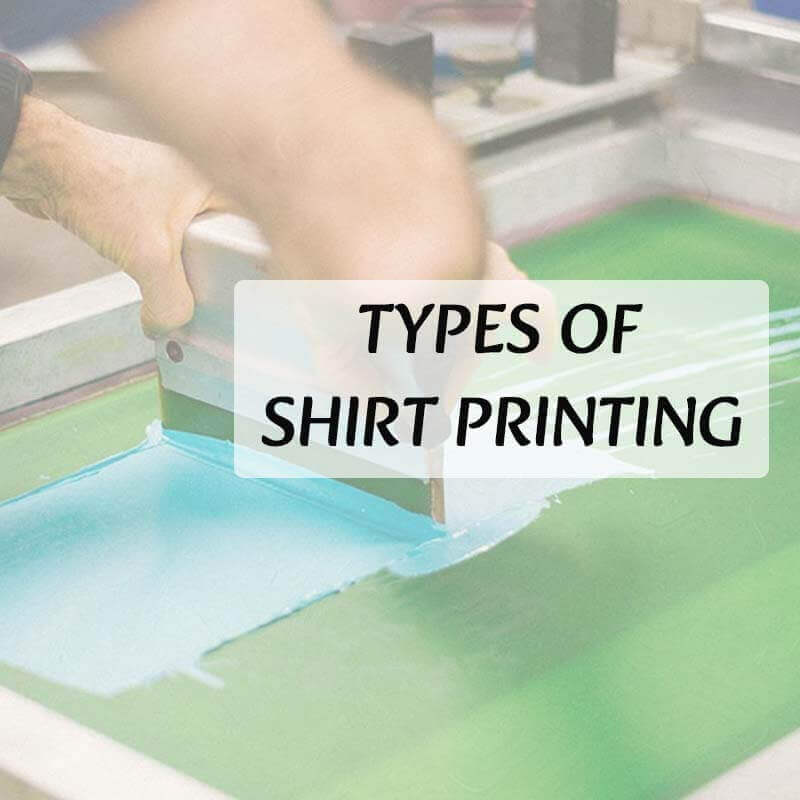
Types of Shirt Printing: 8 Printing Methods Explained
The most common types of shirt printing include screen printing, DTF printing, DTG printing, heat transfer printing, sublimation printing, puff printing, discharge printing, and plastisol printing. Screen printing is typically the best choice for bulk apparel production. DTF offers flexibility for low-MOQ orders, and DTG excels at detailed artwork. Sublimation remains the preferred solution for polyester sportswear.

2026-04-17 | Gia
5 Printing Processes for Custom Hawaiian Shirts
TL;DR
AI generates a print in 10 seconds, but choosing the wrong printing process can double costs or ruin the final look. This article explains 5 processes for custom Hawaiian shirts: DTG, heat transfer, reactive, rotary screen, and pigment – with pros, cons, best use scenarios, and cost structure. Help brands and designers go from digital file to finished garment without costly mistakes.
AI generates a print in 10 seconds, but choosing the wrong printing process can double costs or ruin the final look. This article explains 5 processes for custom Hawaiian shirts: DTG, heat transfer, reactive, rotary screen, and pigment – with pros, cons, best use scenarios, and cost structure. Help brands and designers go from digital file to finished garment without costly mistakes.
2025-10-08
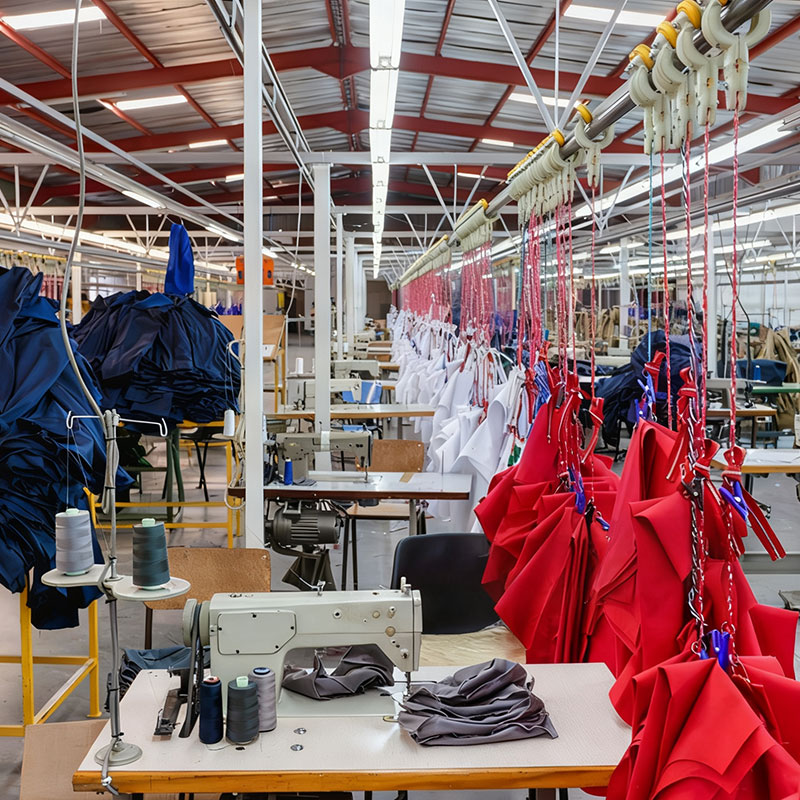
Quality Control in Garment Production: Best Practices for Manufacturers
In the highly competitive world of fashion and apparel manufacturing, maintaining impeccable quality is not just an option—it’s a necessity. Consumers today demand well-crafted, durable, and aesthetically pleasing garments, making quality control (QC) a critical aspect of garment production. For manufacturers, implementing robust QC measures ensures customer satisfaction, minimizes returns, and enhances brand reputation.
- 1