
Plastisol vs Water-Based Ink: Which Is Better for Apparel Printing?
Key Takeaways
- Plastisol ink provides strong coverage, vibrant colors, and consistent results for commercial apparel production.
- Water-based ink creates a softer print feel and is often chosen for premium or fashion-focused garments.
- Fabric type affects ink performance, especially for cotton, polyester, fleece, and blended materials.
- Production volume and artwork requirements influence which ink type is more practical.
- The right choice depends on the balance between appearance, durability, cost, and brand positioning.
Table of Contents
Introduction
Choosing between plastisol and water-based ink is an important decision for clothing brands planning custom apparel production. While both methods are widely used in shirt printing methods, they create different results in terms of texture, appearance, durability, production requirements, and overall garment experience.
For buyers, the decision is not simply about choosing the “better” ink. The right option depends on what you are producing, who your customers are, how the garment should feel, and how efficiently the design needs to be manufactured.
From a manufacturing perspective, ink selection is usually considered together with fabric selection, artwork complexity, production quantity, and quality expectations. A soft premium T-shirt graphic may require a different approach than a large batch of promotional uniforms or heavyweight streetwear hoodies.
Understanding the differences between plastisol and water-based ink can help apparel brands avoid common production mistakes and choose a printing method that matches their product goals.
What Is Plastisol Ink?
Plastisol ink is a PVC-based screen printing ink widely used in commercial apparel production. Unlike water-based ink, plastisol does not dry through evaporation at room temperature. Instead, it requires heat curing to bond the ink layer onto the fabric surface.
Plastisol ink is a PVC-based screen printing technique widely used in commercial apparel production. Unlike water-based ink, plastisol does not dry through evaporation at room temperature. Instead, it requires heat curing to bond the ink layer onto the fabric surface.
One of the main reasons plastisol remains popular in garment manufacturing is its production reliability. The ink sits on top of the fabric rather than absorbing deeply into the fibers, which allows it to create bright colors and strong coverage even on darker garments.
For manufacturers producing custom apparel at scale, plastisol offers practical advantages because it is stable during printing, works well with many garment colors, and performs consistently across repeated production runs.
Advantages of Plastisol Ink
- Strong opacity: Plastisol can produce bright graphics, especially on dark-colored garments.
- Durable print surface: Properly cured plastisol prints can withstand regular washing and wear.
- Production consistency: The ink remains workable on the screen, making it suitable for commercial production.
- Wide application range: It can be used for many apparel products, including T-shirts, hoodies, and uniforms.
Limitations of Plastisol Ink
- The print may feel heavier because the ink forms a layer on top of the fabric.
- Improper curing can affect durability and wash performance.
- Some brands seeking a very soft premium print experience may prefer alternatives.
Manufacturer Insight: During production, plastisol printing requires careful control of ink thickness, screen setup, and curing temperature. These factors directly influence the final print quality and durability.
What Is Water-Based Ink?
Water-based ink is a screen printing ink that uses water as the primary carrier instead of a plastic-based system. During curing, the water evaporates and the ink bonds with the fabric fibers, creating a print that feels more integrated with the garment.
Because the ink penetrates the fabric rather than creating a thick surface layer, water-based printing is often chosen for apparel where softness and comfort are important.
This makes it popular among premium clothing brands, fashion labels, and manufacturers producing lightweight garments where the print feel is part of the overall product experience.
Advantages of Water-Based Ink
- Soft hand feel: The print usually feels smoother and less noticeable on the garment.
- Premium appearance: The ink can create a more natural, fabric-integrated look.
- Suitable for lightweight apparel: It works well when maintaining garment softness is important.
- Strong visual integration: The print can appear more like part of the fabric rather than a surface layer.
Limitations of Water-Based Ink
- It may require more careful production control compared with plastisol.
- Color brightness can be affected by fabric color and material.
- It may require additional consideration when printing on certain synthetic fabrics.
Manufacturer Insight: Water-based printing requires attention to fabric absorption, curing conditions, and artwork planning. The final result depends heavily on the relationship between the ink, garment material, and design requirements.
How Do Plastisol and Water-Based Ink Differ?
The main difference between plastisol and water-based ink is how the ink interacts with the fabric. Plastisol creates a layer on the surface of the garment, while water-based ink absorbs into the fibers and becomes part of the fabric structure.
This difference affects the final garment in several ways, including print texture, color appearance, durability, production requirements, and suitability for different apparel applications.
|
Comparison Factor |
Plastisol Ink |
Water-Based Ink |
|
Print Feel |
More noticeable surface print with a slightly heavier feel |
Softer feel that integrates more naturally with fabric |
|
Appearance |
Bright, solid colors with strong coverage |
More natural, vintage, or fabric-integrated appearance |
|
Durability |
Highly durable when properly cured |
Durable but depends more on fabric absorption and curing control |
|
Dark Garments |
Excellent coverage on dark fabrics |
May require additional considerations for strong opacity |
|
Production Consistency |
Highly reliable for commercial production |
Requires more production control |
|
Common Applications |
Bulk apparel, uniforms, streetwear graphics |
Premium apparel, soft-hand fashion prints |
Buyer Tip: The ink choice should be made together with the garment design. A premium heavyweight hoodie, a lightweight fashion T-shirt, and a promotional uniform may require completely different printing considerations.
Which Ink Type Costs Less?
In most apparel production situations, plastisol ink is generally more cost-efficient for commercial screen printing because it provides predictable production performance and works well for repeated orders. However, the total printing cost depends on more than the ink itself.
From a manufacturing perspective, cost is influenced by factors such as artwork complexity, number of colors, garment type, order quantity, setup requirements, and production efficiency.
|
Cost Factor |
Plastisol Ink |
Water-Based Ink |
|
Setup Requirements |
Generally easier for standard commercial production |
May require more preparation and process control |
|
Large Production Runs |
Often highly efficient for bulk orders |
Can be efficient but may require additional production attention |
|
Premium Print Experience |
May require additional techniques for softer feel |
Naturally provides a softer print experience |
|
Overall Cost Impact |
Often practical for cost-sensitive production |
May provide additional value for premium positioning |
For startup brands producing small batches, the difference in ink cost may be less important than choosing the right print quality for the product positioning. A slightly higher production cost can sometimes create a better customer experience and stronger product perception.
Cost Consideration: Apparel pricing is determined by the complete production process, not only the ink type. Fabric, garment construction, printing method, quantity, and finishing requirements all influence the final cost.
Which Ink Lasts Longer?
Both plastisol and water-based ink can provide durable results when correctly applied and cured. The actual durability depends on production control, fabric type, washing conditions, and the complexity of the print design.
Plastisol is widely recognized for its durability because the ink forms a strong layer on the garment surface. This makes it especially suitable for bold graphics, workwear, uniforms, and high-volume commercial apparel.
Water-based ink can also achieve excellent durability because it bonds with the fabric fibers. However, the final result depends more heavily on fabric absorption, curing conditions, and production expertise.
|
Durability Consideration |
Plastisol |
Water-Based Ink |
|
Wash Resistance |
Excellent when properly cured |
Excellent when properly processed |
|
Print Flexibility |
Strong surface layer |
Feels more integrated with fabric |
|
Long-Term Appearance |
Maintains strong color coverage |
Can create a softer aged appearance over time |
Quality Tip: For production orders, print durability should be evaluated through proper curing, fabric testing, and quality inspection rather than selecting an ink type alone.
Which Ink Works on More Fabrics?
Fabric compatibility is an important factor when selecting between plastisol and water-based ink. Different fabrics absorb ink differently, which affects print appearance, adhesion, and durability.
|
Fabric Type |
Recommended Consideration |
|
Cotton |
Both options can work well. Water-based ink is often chosen for softer premium prints, while plastisol provides strong color coverage. |
|
Polyester |
Requires careful ink selection and production control to prevent issues such as dye migration. |
|
Fleece |
Plastisol is commonly used for strong coverage, while water-based ink can provide a softer premium finish. |
|
Blended Fabrics |
Testing is recommended because fiber composition affects absorption and print performance. |
Production Scenario: For a streetwear brand developing heavyweight cotton hoodies, plastisol may be preferred for bold graphic designs, while a minimalist premium T-shirt collection may benefit from the softer feel of water-based printing.
Which Ink Is Better for Apparel Brands?
There is no universal winner between plastisol and water-based ink. The better choice depends on the brand’s product strategy, target customers, garment category, and desired customer experience. Brands comparing different decoration options may also evaluate other apparel printing methods before selecting a final production approach.
|
Brand Type |
Recommended Approach |
Reason |
|
Startup Clothing Brand |
Choose based on product testing goals |
Small batches often require balancing cost, flexibility, and product quality. |
|
Streetwear Brand |
Plastisol / Premium water-based options |
Choice depends on whether the brand values bold graphics or soft premium finishes. |
|
Premium Fashion Brand |
Water-based ink may be suitable |
Soft hand feel can support a higher-end garment experience. |
|
Corporate or Uniform |
Plastisol is often practical |
Reliable production and strong visibility are important considerations. |
Decision Matrix: Plastisol vs Water-Based Ink
The following decision matrix helps buyers select a suitable option based on their production requirements.
|
Requirement |
Better Choice |
Why |
|
Bright colors on dark garments |
Plastisol |
Provides stronger opacity and coverage. |
|
Soft premium print feel |
Water-Based Ink |
Creates a lighter, fabric-integrated print. |
|
Large production quantities |
Plastisol |
Reliable and efficient for commercial production. |
|
Minimalist fashion designs |
Water-Based Ink |
Supports a softer and more natural appearance. |
|
Complex production requirements |
Depends on project details |
Fabric, artwork, and quantity should be evaluated together. |
Common Buyer Mistakes When Choosing Printing Ink
When selecting between plastisol and water-based ink, many apparel buyers focus only on the visual appearance of the sample. However, successful production requires considering the complete relationship between the ink, garment, artwork, and manufacturing process.
Choosing Ink Based Only on Appearance
A print that looks attractive on a sample may not always be the best option for bulk production. Fabric composition, garment weight, washing requirements, and production volume can influence the final result.
Buyer Tip: Before bulk production, brands should evaluate the print sample on the actual garment material rather than choosing an ink type based only on digital artwork or a different fabric sample.
Ignoring Fabric Compatibility
Different fabrics react differently during printing. Cotton, polyester, fleece, and blended materials have different absorption characteristics, which can affect color appearance and durability.
For example, a printing method that works well on a cotton T-shirt may require adjustments when applied to polyester sportswear or heavyweight fleece hoodies.
Choosing Based Only on Unit Cost
The lowest printing cost does not always create the best product value. A premium apparel brand may benefit from investing in a softer print experience, while a promotional apparel buyer may prioritize production efficiency and consistency.
Skipping Production Testing
During sample development, testing helps confirm whether the selected ink performs correctly with the garment fabric and artwork. Testing can identify potential issues before bulk manufacturing begins.
Final Recommendation: Should You Choose Plastisol or Water-Based Ink?
Plastisol and water-based ink both have important roles in apparel manufacturing. Plastisol is often the practical choice for brands that need strong color coverage, reliable production, and efficient results for larger quantities. Water-based ink is often preferred when a softer print feel, premium appearance, and closer integration with the fabric are important.
For startup brands and growing apparel companies, the best choice depends on the complete product strategy rather than the ink type alone. Consider your garment category, artwork style, target customer expectations, order quantity, and long-term production plans before making a decision.
If you are developing custom apparel and comparing printing options, discussing your garment specifications, artwork requirements, and production goals with an experienced manufacturer offering custom printing services can help identify the most suitable solution for your project.
FAQ
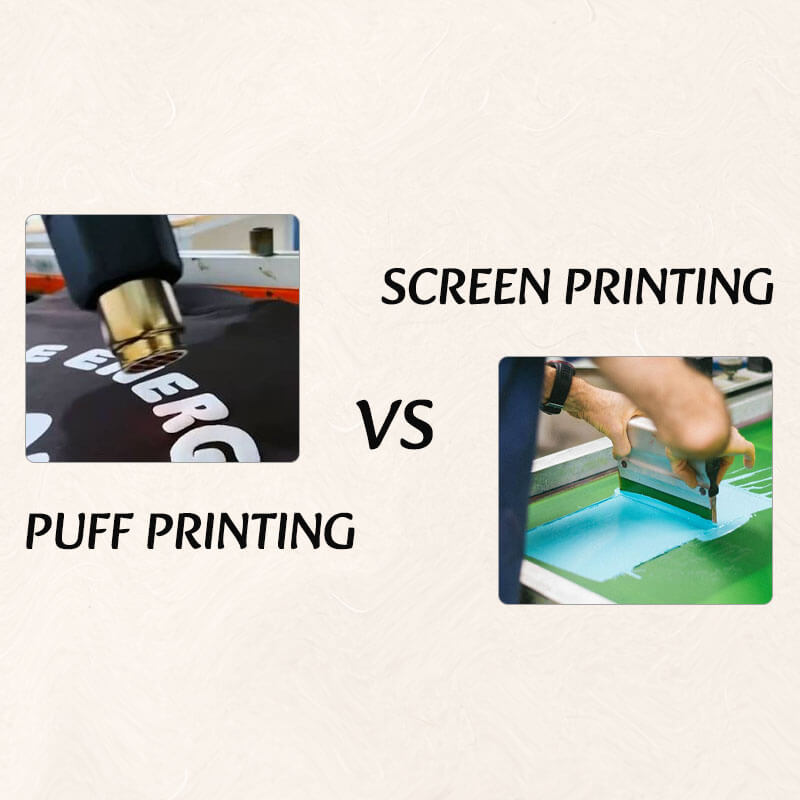
Puff Printing vs Screen Printing: Which Is Better for Apparel?
Sublimation vs Screen Printing: Which Is Better for Apparel?


Launch Your Precision Manufacturing Project