
Embroidery vs Screen Printing: Which Is Better for Custom Apparel?
Key Takeaways
- Embroidery is ideal for premium logos, professional apparel, and textured branding.
- Screen printing is usually more suitable for large graphics and high-volume production.
- Logo size and artwork complexity are important factors when selecting a decoration method.
- Garment type affects the final appearance, durability, and production suitability.
- The best choice depends on balancing design goals, quantity, fabric, and budget.
Table of Contents
Embroidery vs Screen Printing Comparison Table
| Factor | Embroidery | Screen Printing |
| Appearance | Raised texture with a premium and dimensional look | Smooth printed surface with flexible graphic options |
| Best For | Logos, uniforms, polos, premium apparel | Large graphics, heavy designs, promotional apparel |
| Artwork Style | Simple logos and designs with clear shapes | Detailed graphics, multiple colors, illustrations |
| Small Orders | Suitable for small-batch with premium positioning | Designs are simple, and setup costs are acceptable |
| Bulk Production | Works well for repeated branding applications | Highly efficient for large-volume production |
| Fabric | Best on fabrics that can support stitching | Works across many garment types |
| Typical Applications | Corporate apparel, streetwear details | T-shirts, hoodies, graphic, promotional garments |
Introduction
Embroidery and screen printing are two of the most common decoration methods used for custom apparel, alongside other options such as DTF printing and other shirt printing techniques depending on garment requirements.
From a manufacturing perspective, the better choice is not determined by decoration quality alone. Factors such as garment category, logo size, artwork complexity, fabric construction, order quantity, and long-term product positioning all influence the final result.
For example, a startup clothing brand creating a small collection of premium hoodies may prioritize embroidery because of its elevated appearance. A brand producing hundreds or thousands of graphic T-shirts may choose screen printing for its production efficiency and design flexibility.
Understanding these differences before production helps buyers select the right decoration method instead of choosing based only on price or appearance.
What Is Embroidery?
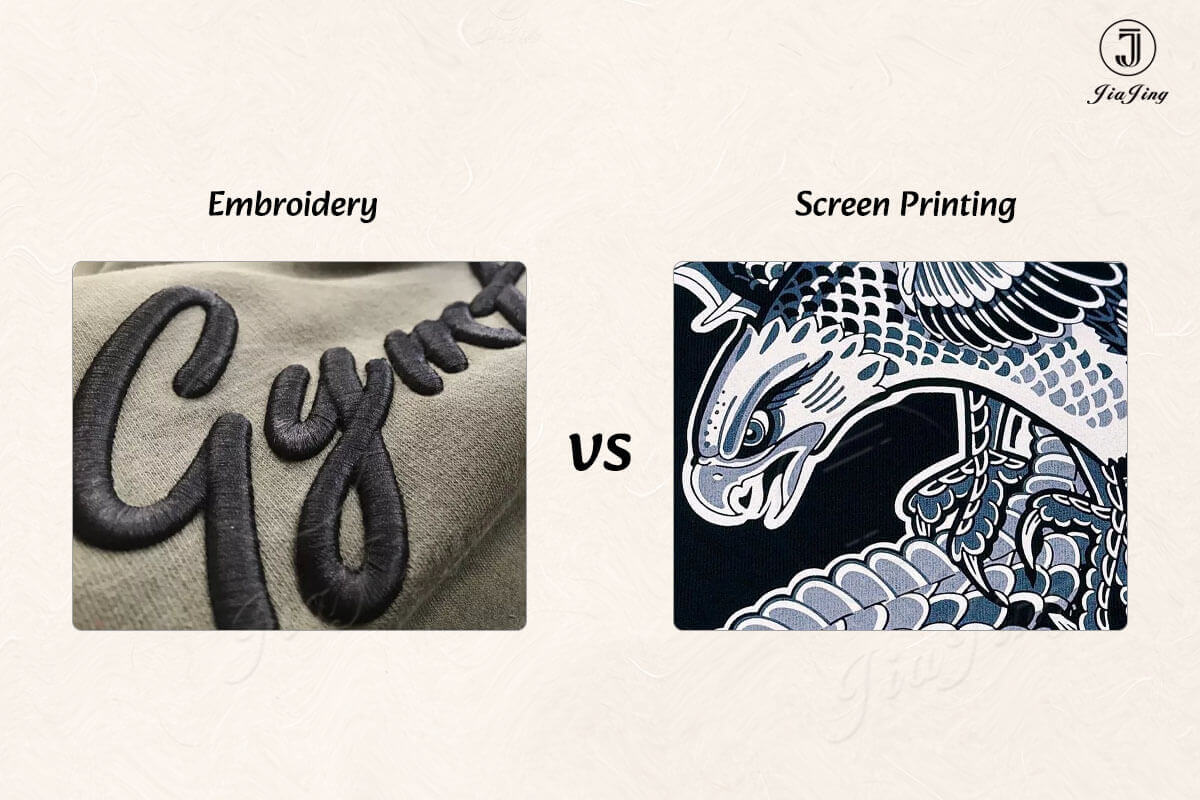
Embroidery is a garment decoration method that uses stitched threads to create logos, patterns, or text directly on fabric. During production, embroidery machines follow a digitized design file to control stitch placement, density, and thread colors.
Unlike printing methods that add a layer of ink onto the fabric surface, embroidery creates a physical structure with stitched threads, making it one of the most popular embroidery techniques for custom apparel branding where durability and premium appearance are important.
In apparel manufacturing, embroidery is commonly used for:
- Left chest logos on polo shirts and jackets
- Corporate uniforms
- Premium hoodies and sweatshirts
- Caps and accessories
- Small brand marks on private label apparel
However, embroidery also has limitations. Very small details, complex gradients, and large full-front designs may not translate effectively because stitches cannot reproduce every visual element that printing can achieve.
What Is Screen Printing?
Screen printing is a decoration method where ink is pushed through a prepared mesh screen onto garment fabric. Each color in the design usually requires a separate screen, which means production preparation is closely related to artwork complexity.
Screen printing creates a smooth surface finish and is widely used among custom apparel printing methods because it supports large graphics and repeated production runs.
Screen printing is commonly used for:
- Large front and back graphics
- Streetwear collections
- Brand artwork with multiple colors
- Event apparel
- Bulk production orders
The main limitation is that complex setups may increase preparation requirements, especially when designs contain many colors or when multiple variations are produced in small quantities.
Which Costs Less?
The cost difference between embroidery and screen printing depends on several production factors rather than the decoration method alone. Order quantity, artwork complexity, number of colors, garment type, and preparation requirements all influence the final manufacturing cost.
For small logos, embroidery can be a cost-effective option because the production process is straightforward once the embroidery file is prepared. However, very large embroidery designs may require more stitches, increasing production time and thread consumption.
Screen printing usually requires more initial preparation because screens need to be created before production. However, once the setup is complete, the process becomes highly efficient for repeated designs and larger quantities.
From a manufacturing perspective, the most important cost consideration is not only the decoration price per piece but also how efficiently the method fits the production plan.
| Cost Factor | Embroidery | Screen Printing |
| Setup | Requires embroidery digitizing | Requires screen preparation |
| Small Quantity | Often suitable for small premium branding projects | May have higher setup impact depending on design |
| Large Quantity | Suitable for repeated logos | Usually becomes more cost-efficient as volume increases |
| Design Complexity | Limited by stitch capability | More flexible for colors and detailed graphics |
Buyer Tip: When comparing quotes from manufacturers, ask how setup costs, artwork preparation, and order quantity influence the total production cost instead of comparing only the decoration price.
Which Lasts Longer?
Both embroidery and screen printing can provide durable results when the correct production process is used. However, their durability characteristics are different.
Embroidery creates a physical structure with stitched threads, which allows the design to maintain its texture through repeated washing and long-term use. This is one reason embroidery is commonly selected for uniforms, workwear, and premium apparel that requires long-lasting branding.
Screen printing durability depends on factors such as ink type, curing process, fabric composition, and production quality. Properly applied screen printing can withstand repeated washing while maintaining color appearance.
The better choice depends on the garment's intended use.
| Application | Recommended Method | Reason |
| Long-term professional uniforms | Embroidery | Maintains a premium stitched appearance |
| Fashion graphic collections | Screen Printing | Supports larger and more detailed artwork |
| Frequent washing garments | Both methods can work | Quality depends on production execution |
Which Looks Better?
The visual difference between embroidery and screen printing is mainly related to texture, design style, and brand positioning.
Embroidery creates depth because the design is formed by thread. This gives garments a premium and crafted appearance, especially for smaller logos and branding details.
Screen printing creates a smooth surface finish and provides more freedom for artwork reproduction. It is better suited for illustrations, photographs, gradients, and large graphic designs.
| Design Goal | Better Choice | Why |
| Premium small logo | Embroidery | Creates texture and a high-end appearance |
| Large back graphic | Screen Printing | Provides better artwork flexibility |
| Simple brand mark | Embroidery | Creates a professional branded look |
| Creative artwork | Screen Printing | Supports more visual details |
Which Works Better for Different Garment Types?
The garment category is one of the most important factors when selecting embroidery or screen printing. The same decoration method may produce different results depending on fabric weight, garment structure, and intended use.
| Garment Type | Recommended Method | Production Consideration |
| Hoodies | Embroidery or Screen Printing | Heavy fabrics support embroidery, while large graphics often suit printing |
| T-Shirts | Screen Printing | Ideal for graphic designs and collection-based production |
| Polo Shirts | Embroidery | Common choice for professional branding |
| Jackets | Embroidery or Patch | Structured fabrics can support dimensional decoration |
| Sportswear | Screen Printing | Lightweight performance fabrics often require flexible decoration solutions |
| Uniforms | Embroidery | Suitable for long-term brand identification |
Manufacturer Insight: During sampling, manufacturers usually evaluate fabric thickness, stretch, and garment construction before recommending a decoration method. A technique that works well on cotton fleece may not perform the same way on lightweight performance fabric.
Which Method Is Better for Different Logo Sizes?
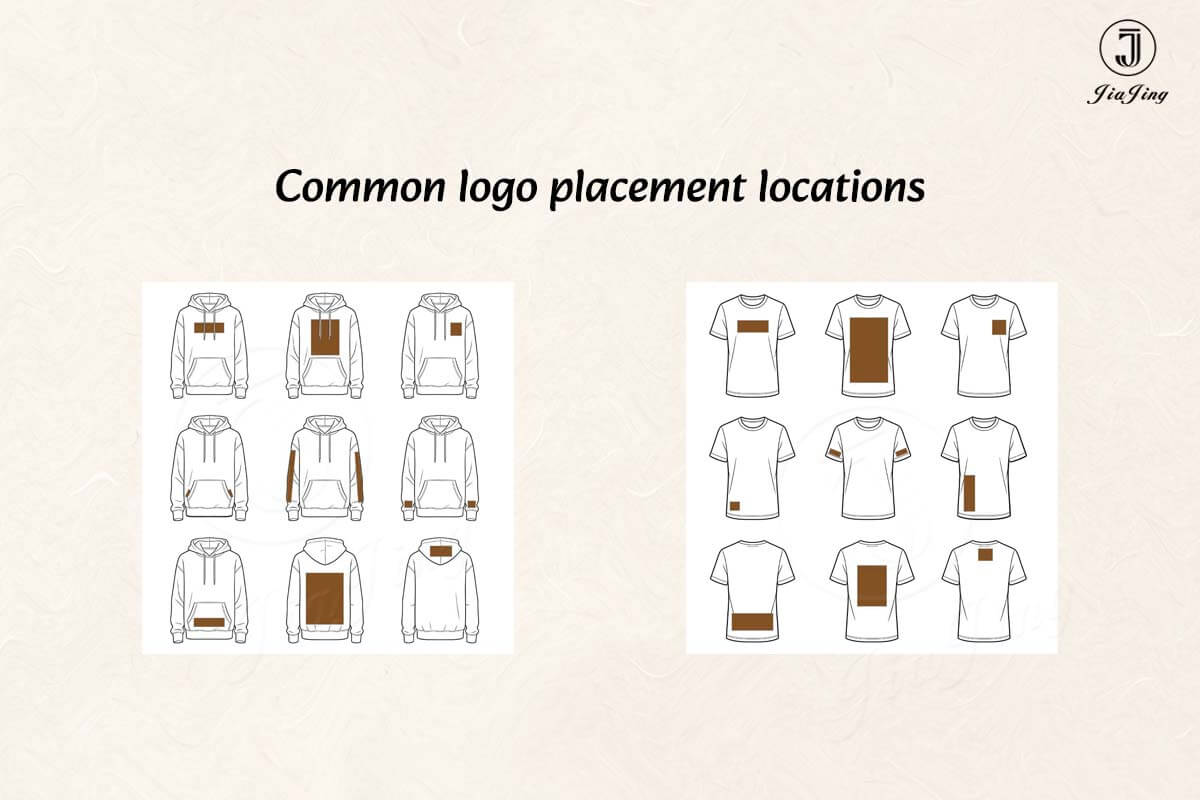
Logo size and placement strongly influence whether embroidery or screen printing is the better choice, which is why brands should evaluate artwork requirements during the custom clothing development process. Many buyers focus only on the logo artwork but overlook how the design scale affects production results.
| Logo Application | Recommended Method | Reason |
| Small left chest logo | Embroidery | Creates a premium and professional appearance |
| Sleeve branding | Embroidery or Patch | Works well for compact brand details |
| Large back logo | Screen Printing | More economical and visually flexible |
| Full front artwork | Screen Printing | Better for extensive graphic coverage |
| Small text logo | Depends on size and font | Very small details may require adjustment |
For private label brands, choosing the correct logo placement and decoration method during product development can improve both product appearance and manufacturing efficiency.
Which Method Is Better for Different Artwork Styles?
Artwork characteristics often determine whether embroidery or screen printing can achieve the desired result. Buyers should evaluate design complexity before selecting a decoration method.
| Artwork Type | Recommended Method |
| Simple logo with limited colors | Embroidery |
| Detailed illustration | Screen Printing |
| Gradient or photo-style artwork | Screen Printing |
| Text-based premium logo | Embroidery |
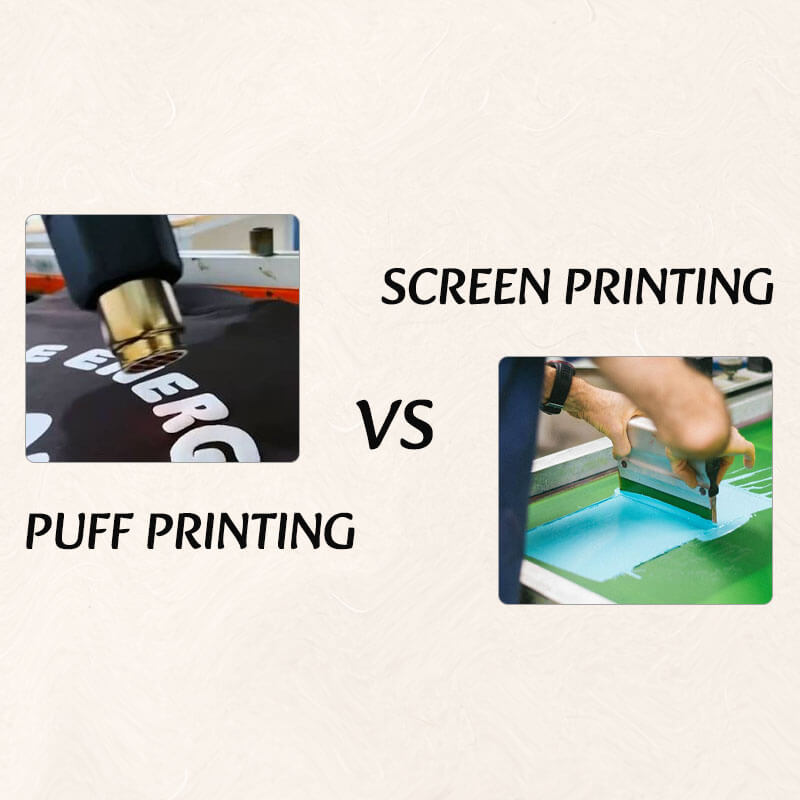
| Raised 3D appearance | Embroidery techniques such as puff embroidery |
Which Is Better for Small Orders?
For small production runs, the better choice depends on the purpose of the order. Startup brands often use small quantities to test designs, validate customer response, or build initial collections.
Embroidery can be attractive for small premium collections because it creates a higher perceived value without requiring large artwork coverage. Screen printing can also work well for small orders when designs are simple and the production plan supports the preparation requirements.
For manufacturers producing small batches, the most suitable method usually balances artwork requirements, garment positioning, and future reorder plans.
Which Is Better for Bulk Production?
For large production quantities, screen printing often becomes more efficient because setup costs can be distributed across more garments. This makes it widely used for large graphic collections and repeated production runs.
However, embroidery remains highly suitable for bulk orders that require consistent branding, such as corporate uniforms, school apparel, and premium private label products.
The correct decision depends on whether the production goal prioritizes graphic coverage or branded detail.
Which Is Better for Startup Clothing Brands?
For startup clothing brands, the best decoration method depends on the brand concept, product category, and testing strategy, especially when working with a small batch clothing manufacturer. New brands often need flexibility because they may develop multiple designs, test customer response, and adjust products before larger production runs.
Embroidery can be a strong option for startup brands building premium or minimal collections. Small embroidered logos on hoodies, jackets, and premium basics can create a higher-value appearance without requiring large graphic designs.
Screen printing may be more suitable for startup brands focused on graphic-driven products, streetwear collections, or seasonal artwork drops. It allows designers to explore more colors, illustrations, and large-scale visual concepts.
For startup brands planning future reorders, the decoration decision should also consider whether the design can be produced consistently as order quantities increase.
Pros and Cons of Embroidery and Screen Printing
| Method | Advantages | Limitations |
| Embroidery |
|
|
| Screen Printing |
|
|
Decision Matrix: Embroidery or Screen Printing?
The best choice depends on multiple production factors rather than a single advantage. Use the following framework when evaluating decoration options for a custom apparel project.
| Project Requirement | Recommended Choice | Reason |
| Small premium logo | Embroidery | Creates a raised and professional appearance |
| Large graphic artwork | Screen Printing | Provides better design flexibility |
| Corporate uniforms | Embroidery | Supports long-term brand visibility |
| Streetwear graphic collections | Screen Printing | Suitable for artwork-focused products |
| Small batch premium hoodies | Embroidery | Matches elevated product positioning |
| Large quantity T-shirts | Screen Printing | Production efficiency improves with volume |
| Complex colorful artwork | Screen Printing | Better reproduces detailed graphics |
Common Buyer Mistakes When Choosing Decoration Methods
Many apparel buyers choose embroidery or screen printing based only on appearance or initial cost. However, decoration selection affects production efficiency, garment performance, and long-term product consistency.
Mistake 1: Choosing Based Only on Price
The lowest decoration cost does not always create the best overall value. A method that requires frequent adjustments, creates quality issues, or does not match the garment positioning may increase costs later.
Mistake 2: Ignoring Logo Size
A decoration method that works well for a small chest logo may not be suitable for a large back design. Buyers should consider both artwork scale and garment placement before production.
Mistake 3: Using the Same Method for Every Product
A clothing collection may contain different garment categories. Hoodies, T-shirts, jackets, and uniforms may require different decoration approaches to achieve consistent results.
Mistake 4: Not Considering Future Reorders
For growing brands, the first production run is only part of the decision. The selected decoration method should also support future production consistency when quantities increase.
Final Recommendation: Which Should You Choose?
Neither embroidery nor screen printing is universally better. The right choice depends on your garment type, artwork style, order quantity, and brand positioning.
Choose embroidery when your priority is:
- Premium branding
- Small logos
- Professional apparel
- Textured and dimensional appearance
Choose screen printing when your priority is:
- Large graphics
- Detailed artwork
- Color flexibility
- Efficient bulk production
For apparel brands developing custom products, the most reliable approach is to evaluate decoration methods together with garment construction, artwork requirements, and production plans. Discussing these factors with an experienced manufacturer during sampling can help determine the most suitable solution before bulk production begins, especially when evaluating OEM and private label clothing manufacturing options.
FAQ
Is embroidery more durable than screen printing?
Is embroidery more expensive than screen printing?
Which is better for hoodies: embroidery or screen printing?
Can screen printing be used for small orders?
What decoration method is best for clothing brands?
Which method is better for logo embroidery on polo shirts?
Related Reading
- Types of Shirt Printing
- DTF vs Screen Printing: Which Printing Method Is Better?
- Embroidery vs Patch: Which Decoration Method Should You Choose?
- How to Choose the Right Custom Clothing Manufacturer
Screen Printing vs Heat Transfer: Which Method Is Right for Your Apparel Project?
DTF vs DTG Printing: Which Printing Method Is Right for Your Apparel Project?


Launch Your Precision Manufacturing Project