
The Complete Guide to Working with Overseas Apparel Manufacturers
The Complete Guide to Working with Overseas Apparel Manufacturers
Introduction
The global fashion industry thrives on collaboration, innovation, and efficiency. For brands looking to create high-quality, cost-effective custom apparel, partnering with overseas manufacturers is a strategic move. However, navigating international production requires careful planning, clear communication, and an understanding of the manufacturing process.
This comprehensive guide will walk you through every step of working with overseas apparel manufacturers—from sourcing the right partner to ensuring quality control and timely delivery. Whether you're a startup or an established brand, this guide will help you optimize your supply chain and bring your designs to life.
1. Why Work with Overseas Apparel Manufacturers?
Cost Efficiency
Labor and production costs vary significantly across countries. Manufacturers in countries like China, Vietnam, Bangladesh, India, and Turkey often offer competitive pricing without compromising quality.
Access to Advanced Technology
Many overseas factories specialize in specific garment types and utilize cutting-edge machinery, ensuring precision and scalability.
Diverse Fabric and Material Options
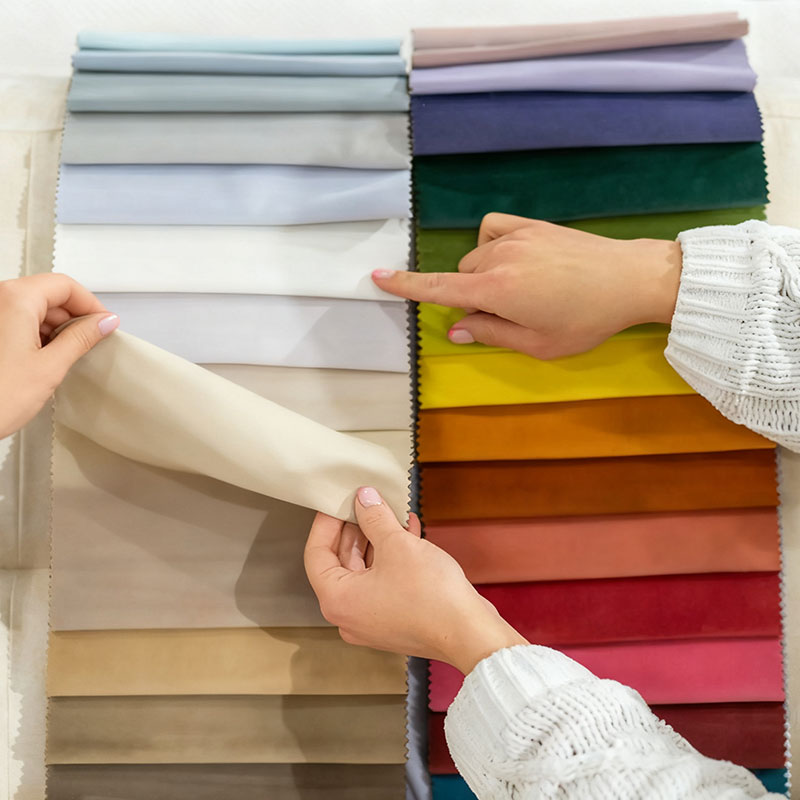
Different regions offer unique textiles—whether it’s premium Italian wool, durable Chinese denim, or sustainable bamboo fabric from India.
Scalability
Overseas manufacturers can handle large-volume orders, making them ideal for growing brands.
Challenges to Consider
-
Language barriers – Clear communication is essential.
-
Lead times – Shipping and production may take longer.
-
Quality control – Distance makes inspections more complex.
-
Cultural differences – Business practices vary by region.
2. Finding the Right Manufacturer
Define Your Needs
Before searching, determine:
-
Product type (e.g., activewear, formalwear, knitwear)
-
Order quantity (small batch vs. bulk)
-
Fabric and material requirements
-
Budget constraints
-
Ethical and sustainability standards
Research and Vetting
-
Online directories (Alibaba, Maker’s Row, Kompass)
-
Trade shows (Première Vision, MAGIC, Canton Fair)
-
Referrals (Industry networks, fashion forums)
Key Questions to Ask Manufacturers
✔ Minimum Order Quantity (MOQ)?
✔ Sample production time and cost?
✔ Lead time for bulk orders?
✔ Compliance with labor and environmental standards?
✔ Payment terms?
Request Samples
Never skip this step! Evaluate:
-
Stitching quality
-
Fabric durability
-
Color accuracy
-
Fit and finish
3. Communication and Negotiation
Overcoming Language Barriers
-
Use simple, clear English.
-
Avoid slang or idioms.
-
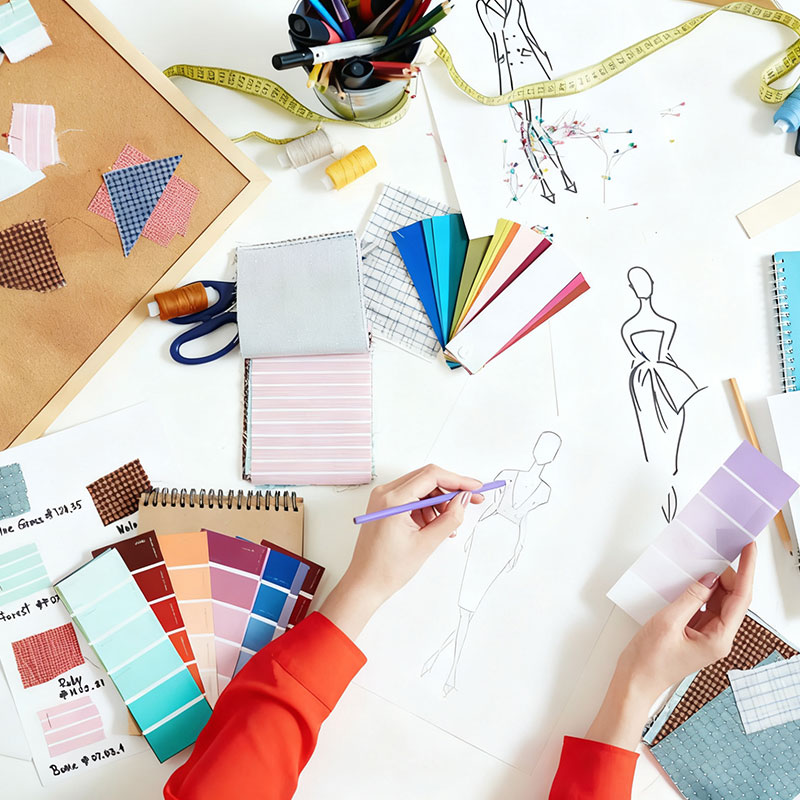
Visual aids (tech packs, sketches) help.
-
Hire a translator if needed.
Tech Packs: Your Blueprint for Success
A detailed tech pack includes:
✅ Flat sketches (front, back, side views)
✅ Measurements & sizing specs
✅ Fabric composition & weight
✅ Color codes (Pantone, RGB, HEX)
✅ Stitching & labeling instructions
✅ Packaging requirements
Negotiating Terms
-
Pricing – Compare multiple quotes.
-
Payment terms – 30% deposit, 70% upon completion is common.
-
Shipping & duties – Clarify who covers these costs (FOB, CIF, DDP).
4. Production and Quality Control
Pre-Production Samples
Before mass production, request a PP sample to confirm:
-
Correct fabric and trims
-
Accurate sizing
-
Proper stitching techniques
In-Process Inspections
Hire a third-party QC inspector or visit the factory to check:
-
Fabric cutting accuracy
-
Sewing consistency
-
Embellishment placement
Final Inspection (AQL Standards)
The Acceptable Quality Level (AQL) determines defect tolerance:
-
AQL 1.0 (Luxury brands, strict standards)
-
AQL 2.5 (Standard retail quality)
-
AQL 4.0 (Budget-friendly, higher defect allowance)
5. Shipping and Logistics
Choosing the Right Shipping Method
| Method | Cost | Speed | Best For |
|---|---|---|---|
| Air Freight | High | Fast (3-7 days) | Urgent, small orders |
| Sea Freight | Low | Slow (30-45 days) | Large, non-urgent orders |
| Express (DHL, FedEx) | Medium | Fast (5-10 days) | Samples, mid-sized orders |
Customs and Duties
-
Harmonized System (HS) Code – Required for international shipping.
-
Duties & Taxes – Vary by country; factor these into costs.
6. Building Long-Term Relationships
A reliable manufacturer is a long-term asset. Maintain good relationships by:
✔ Paying on time
✔ Providing clear feedback
✔ Placing consistent orders
✔ Visiting the factory when possible
Conclusion
Working with overseas apparel manufacturers can elevate your brand by reducing costs, improving quality, and increasing production capacity. However, success depends on thorough research, precise communication, and strict quality control.
By following this guide, you’ll minimize risks and maximize efficiency, ensuring your custom apparel meets global standards. Ready to take the next step? Start sourcing your ideal manufacturer today!
Need help finding the right manufacturer? Contact us for expert sourcing and production guidance! ?
This 2000-word guide provides a structured approach to overseas apparel manufacturing, ensuring brands can navigate the process confidently. Let me know if you'd like any refinements!
How to Choose the Right Garment Manufacturer for Your Fashion Brand

Launch Your Precision Manufacturing Project