
Types of Tops: A Guide to Styles, Fits, and Designs

- Tops can be grouped by garment type, construction, silhouette, neckline, sleeve design, and intended use.
- T-shirts, tank tops, shirts, blouses, sweatshirts, and hoodies differ in fabric, structure, and production requirements.
- Neckline, sleeve, and length variations create additional designs without necessarily creating a new garment category.
- Fabric weight, stretch, drape, seam construction, and decoration methods all affect the finished appearance and fit.
- Clothing brands should confirm measurements, fabric behavior, and design details through physical sampling before bulk production.
Table of Contents
- Main Types of Tops
- T-Shirts
- Tank Tops
- Shirts and Button-Up Tops
- Blouses
- Polo Shirts and Henley Tops
- Sweatshirts and Hoodies
- Sweaters and Other Knit Tops
- Fashion Tops and Special Silhouettes
- Activewear Tops
- Types of Necklines and Collars
- Types of Sleeves
- Fits and Garment Lengths
- How to Choose Fabric for Different Tops
- Choosing Tops for a Clothing Brand
- Common Buyer Mistakes
- Frequently Asked Questions
Main Types of Tops
A top is a garment worn on the upper body. Depending on the design and market, the term can cover casual shirts, sleeveless garments, knitwear, sweatshirts, and other upper-body styles. Some garments, such as jackets, are generally classified as outerwear, even though they are also worn on the upper body.
The following table summarizes common top categories and their defining characteristics.
|
Type of Top |
Key Feature |
Common Uses |
|
T-shirt |
Knit fabric, usually without a collar |
Casualwear, graphic tees, basics |
|
Tank top |
Sleeveless design with shoulder straps |
Summerwear, layering, activewear |
|
Shirt |
Often features a collar and button front |
Casualwear, workwear |
|
Blouse |
Often uses soft fabrics or decorative details |
Fashion, office wear |
|
Polo shirt |
Knit top with a collar and short placket |
Casualwear, uniforms |
|
Camisole |
Sleeveless top with narrow straps |
Layering, summerwear |
|
Crop top |
Shortened body length |
Casualwear, contemporary fashion |
|
Bodysuit |
Close-fitting top with a lower-body closure |
Layering, fitted outfits |
|
Sweatshirt |
Pullover made from sweatshirt fabric |
Casualwear, streetwear |
|
Hoodie |
Sweatshirt-style top with a hood |
Casualwear, streetwear |
|
Sweater |
Knitwear made from yarn |
Layering, cold-weather collections |
|
Tunic |
Longer body length |
Casualwear, relaxed-fit collections |
These categories are not mutually exclusive. A cropped hoodie is still a hoodie, while a sleeveless crop top can also be classified as a tank-style top. For product development, define the base garment first, then specify its fit, length, neckline, sleeves, fabric, and decorative details.
Types of T-Shirts
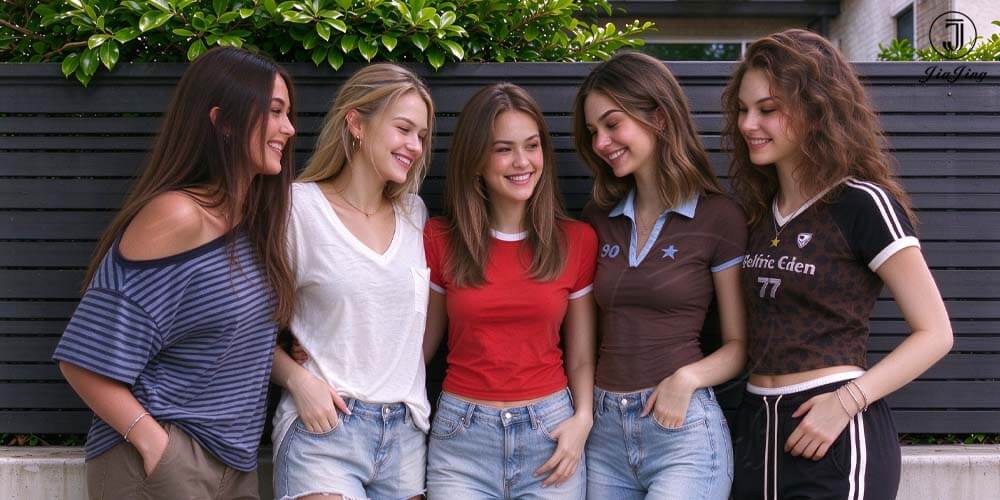
T-shirts are among the most adaptable top categories for clothing brands. They can be essentials or statement pieces through silhouette, graphics, fabric, and surface decoration.
Common T-Shirt Styles
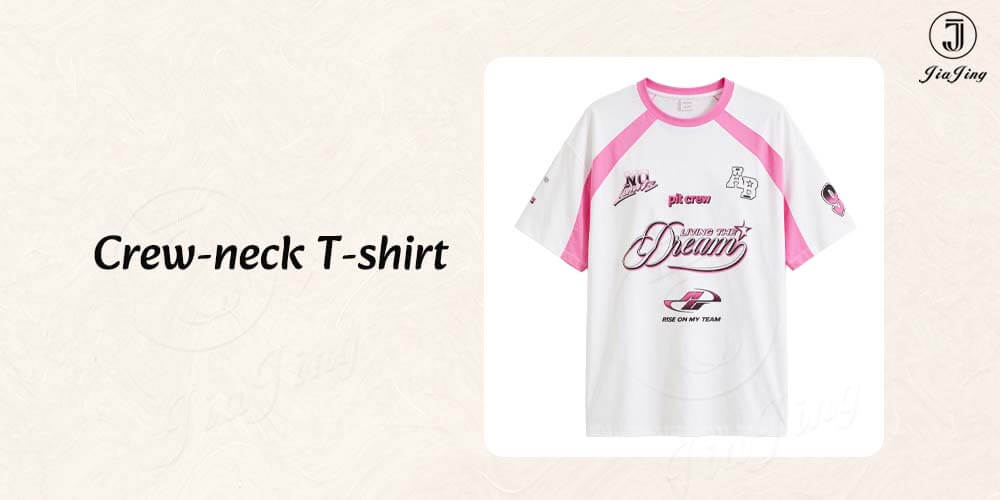
- Crew-neck T-shirt:
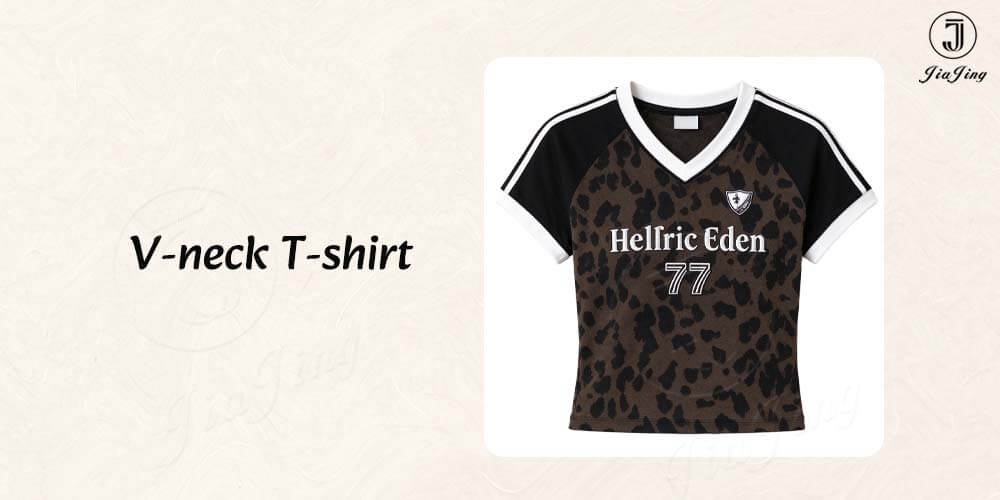
- V-neck T-shirt:
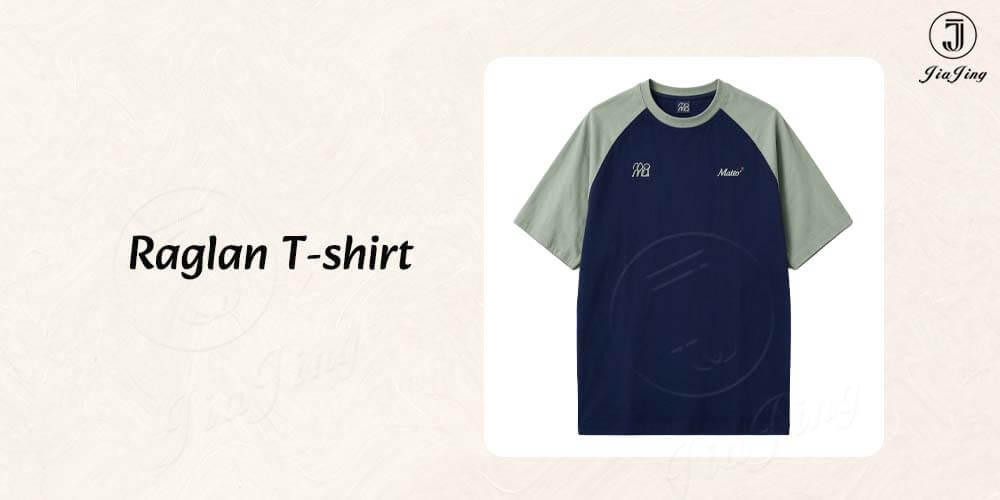
- Raglan T-shirt:
- Long-sleeve T-shirt:

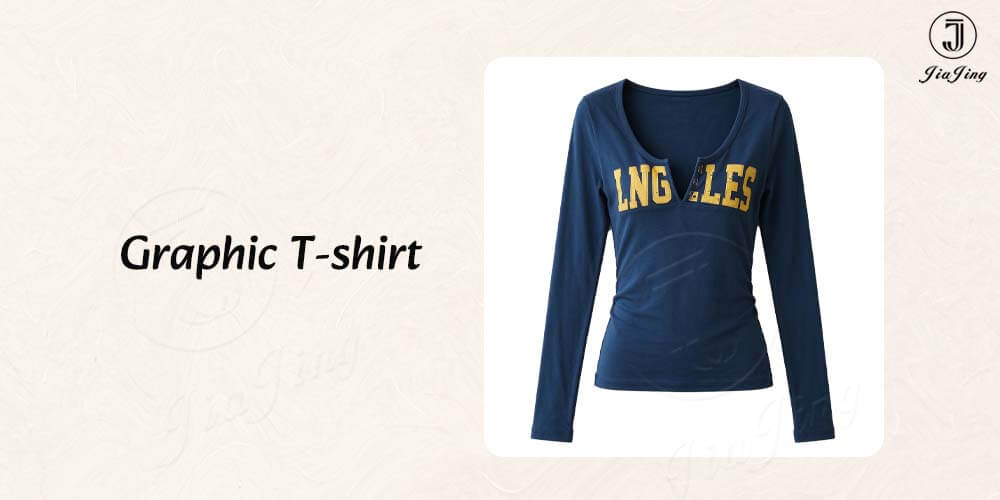
- Graphic T-shirt:
- Pocket T-shirt:

- Oversized T-shirt:

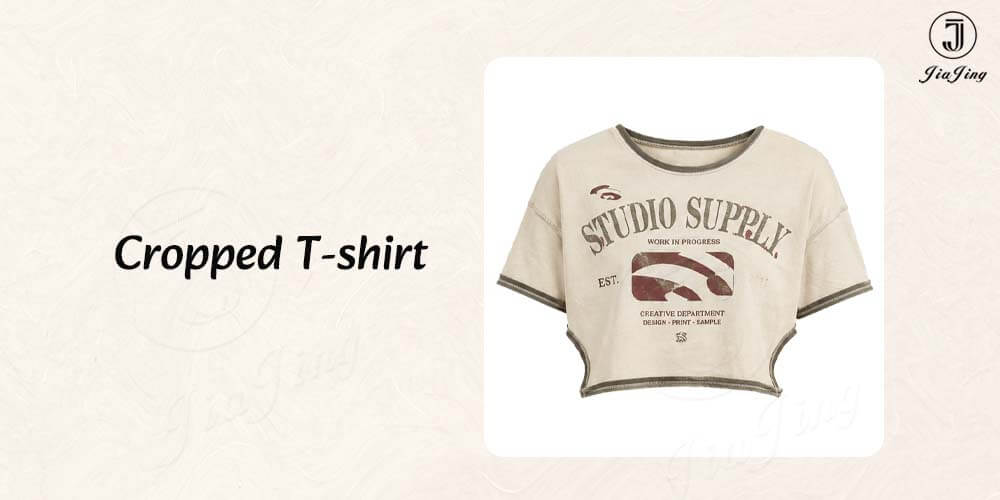
- Cropped T-shirt:
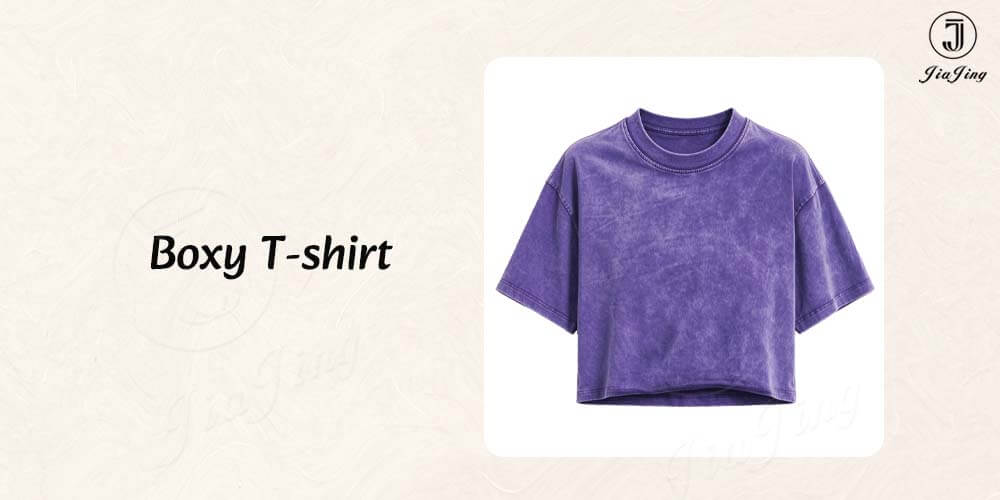
- Boxy T-shirt:
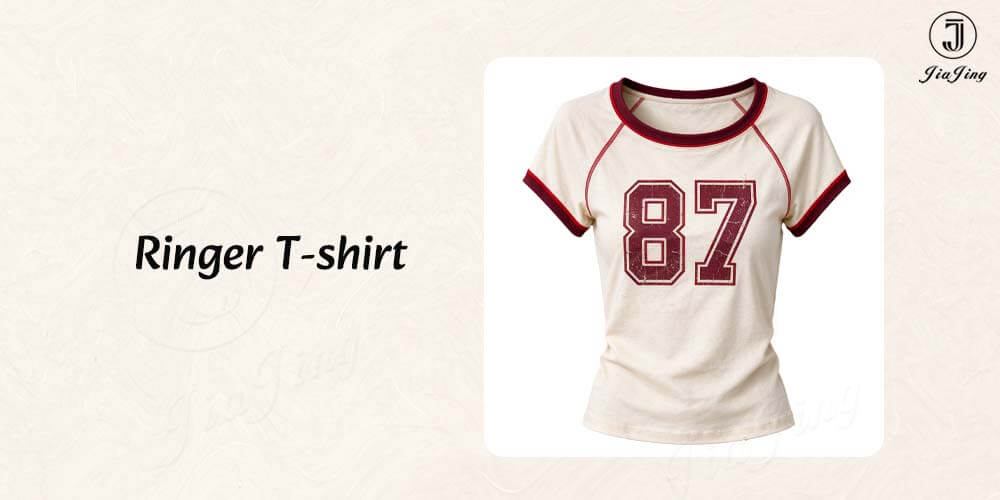
- Ringer T-shirt:
Selection of T-shirt Fabric
Cotton jersey is widely used for casual T-shirts, while cotton-polyester blends and other fiber combinations can suit different performance, appearance, or care requirements. Fabric weight affects opacity, drape, structure, and how a silhouette holds its shape, but weight alone does not determine quality.
For an oversized or boxy T-shirt, check the relationship between shoulder width, chest width, body length, sleeve length, and sleeve opening. Simply widening a standard pattern may create excess fabric in the wrong areas or alter the intended drape.
For graphic designs, the artwork size and placement should be reviewed against the garment measurements. A print that looks balanced on a medium sample may appear too large on smaller sizes or too small on larger sizes if the grading and artwork rules have not been defined.
Types of Tank Tops
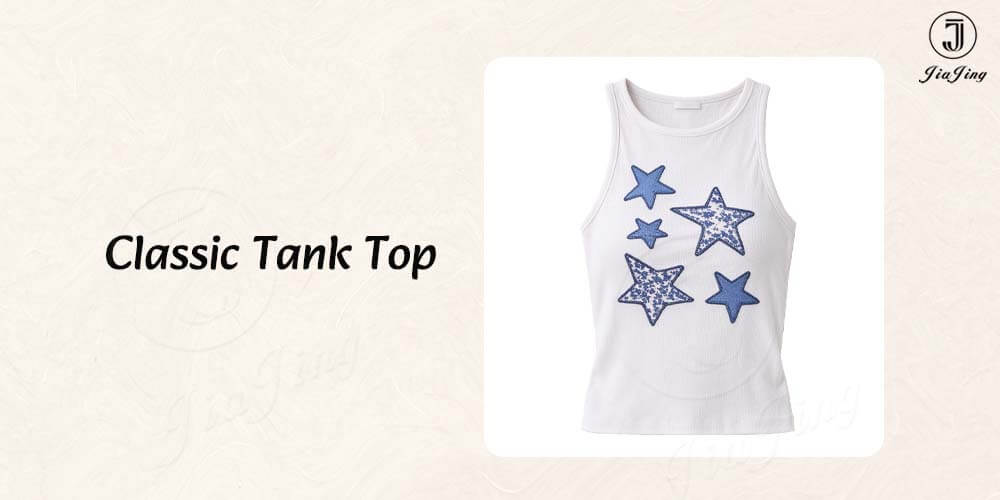
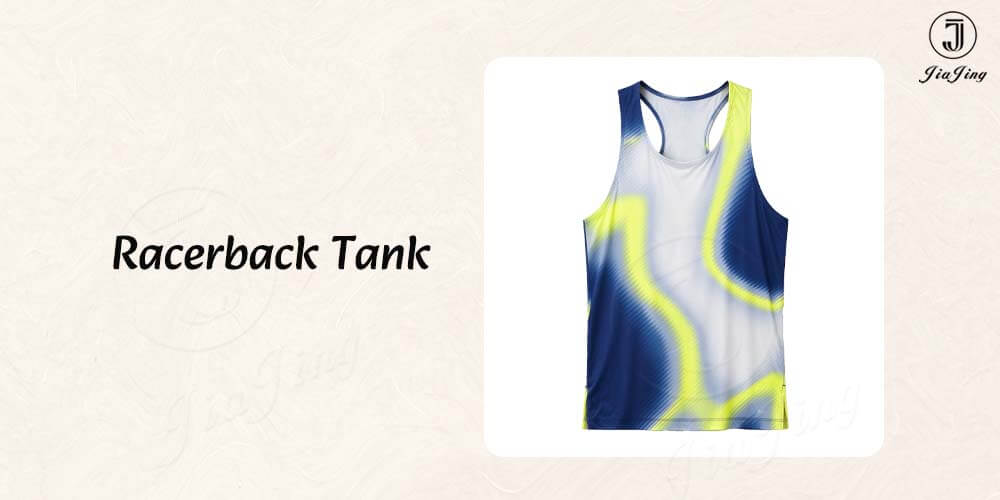
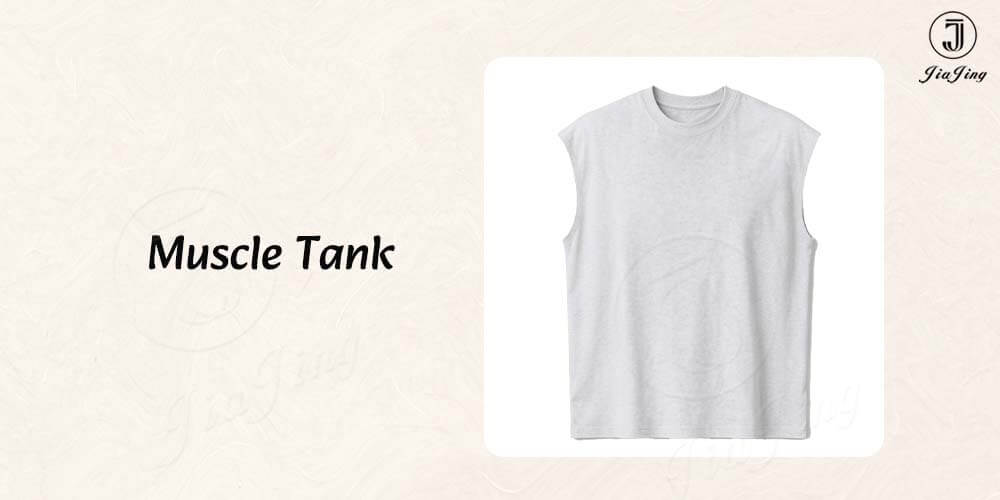
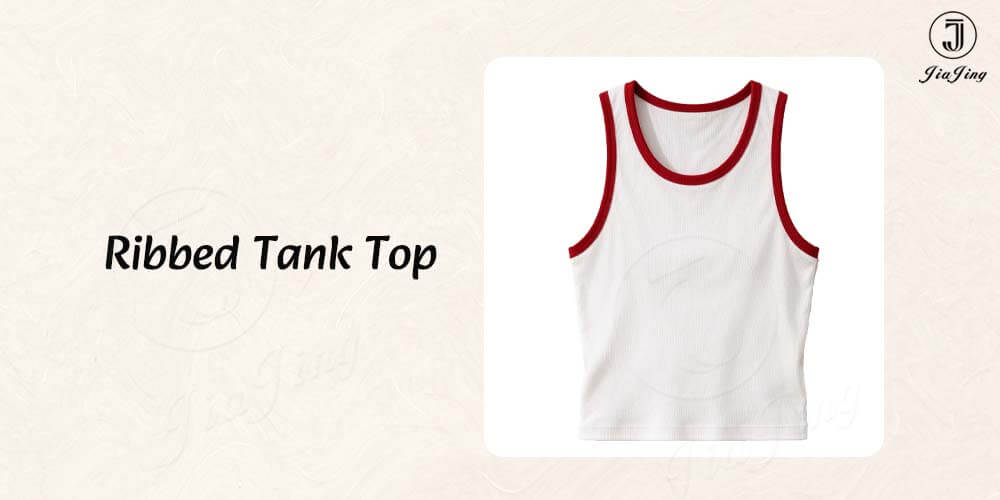
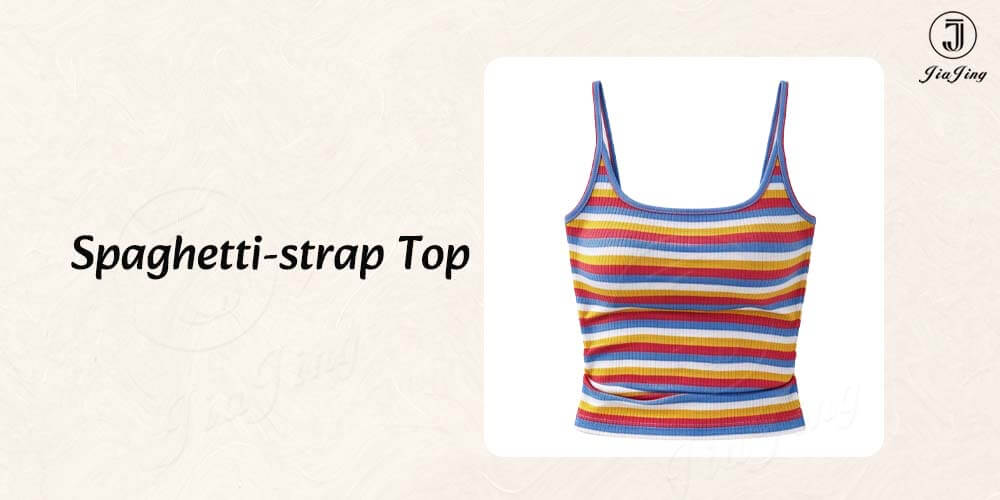
Tank tops are sleeveless garments with shoulder straps. Their coverage, neckline, strap width, and back construction can vary considerably, making them suitable for casualwear, warm-weather collections, layering, and activewear.
- Classic tank top:
- Racerback tank:
- Muscle tank:
- Ribbed tank top:
- Spaghetti-strap top:
- Halter top:

- Built-in-bra tank:

- Longline tank:

Strap width, armhole depth, neckline shape, and body stretch all influence fit and coverage. For lightweight or highly elastic fabrics, confirm that the neckline and armholes recover properly after stretching. Narrow bindings, elastic, lining, and seam construction may need adjustment to prevent gaping or excessive tension.
Types of Shirts and Button-Up Tops
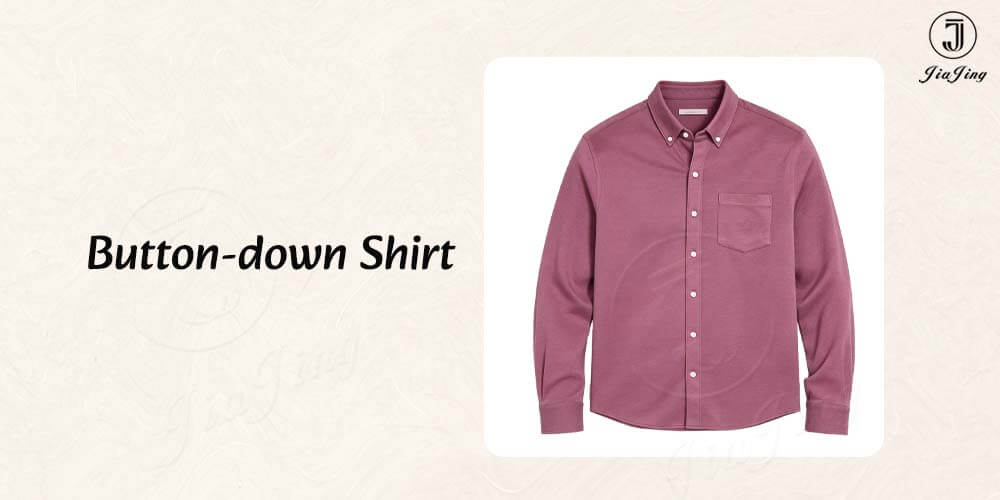
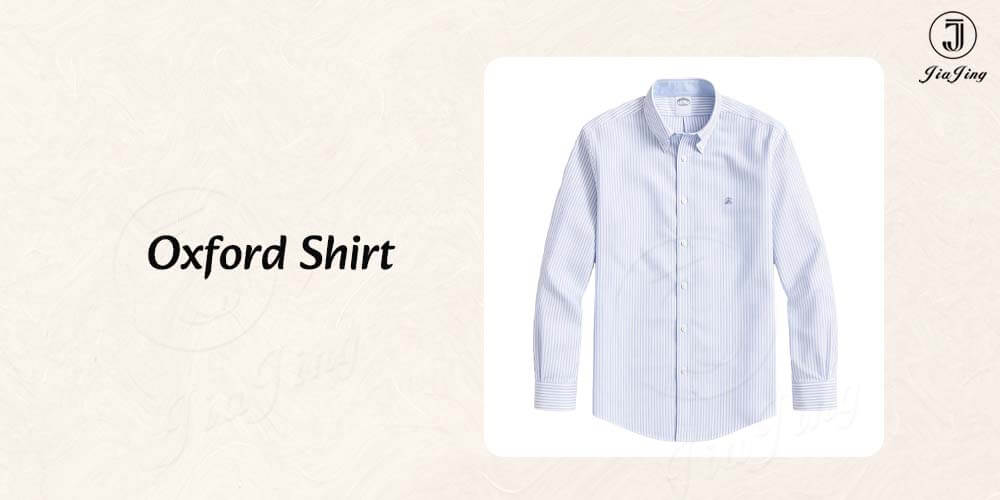
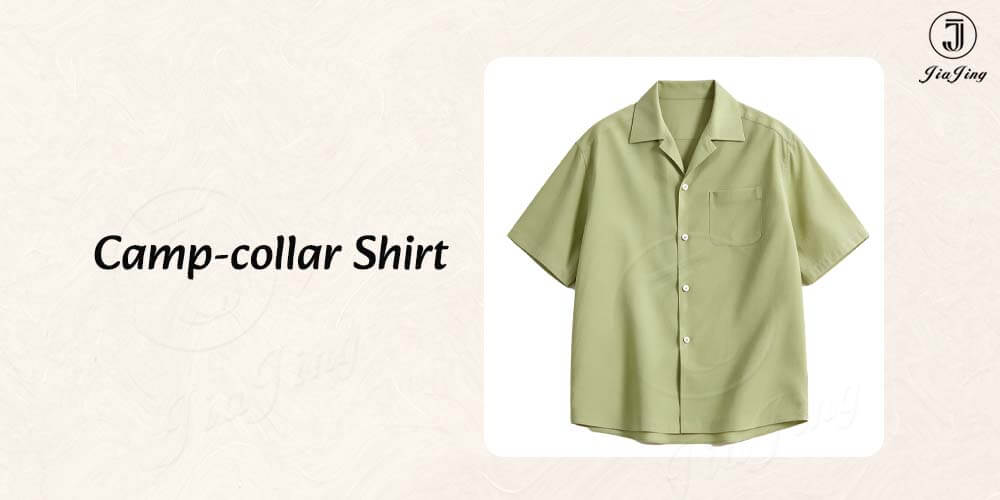
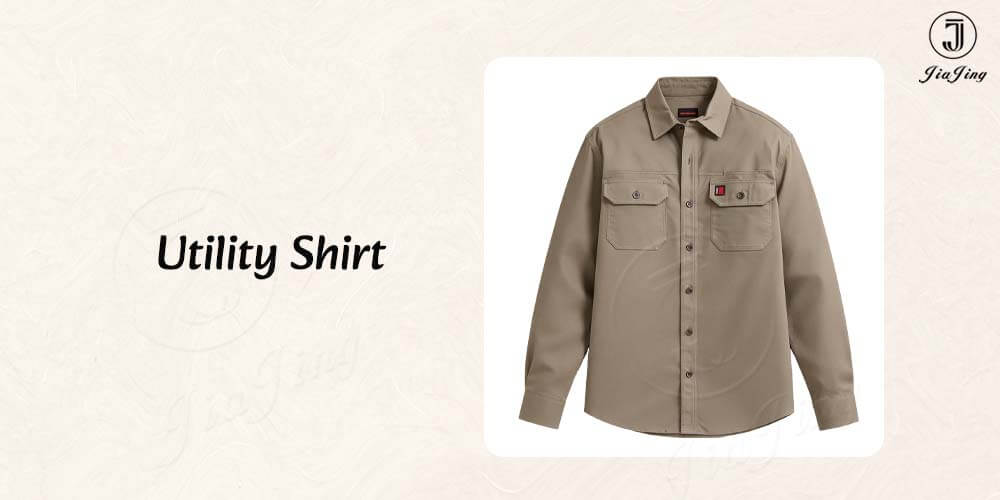
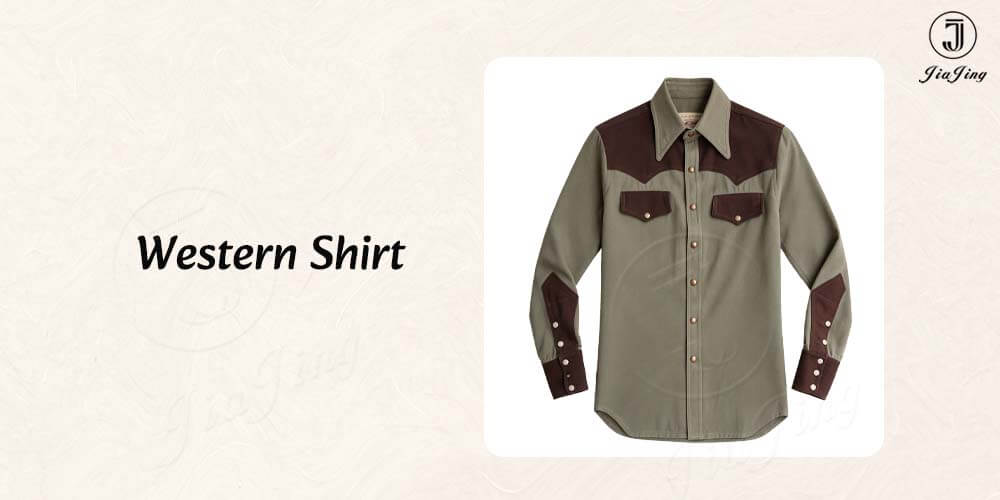
Shirts often use woven fabrics and may include collars, button fronts, cuffs, and other structured details. However, the term also covers casual and overshirt designs, so not every shirt has the same construction.
- Button-down shirt:
- Oxford shirt:
- Camp-collar shirt:
- Flannel shirt:

- Overshirt:

- Utility shirt:
- Western shirt:
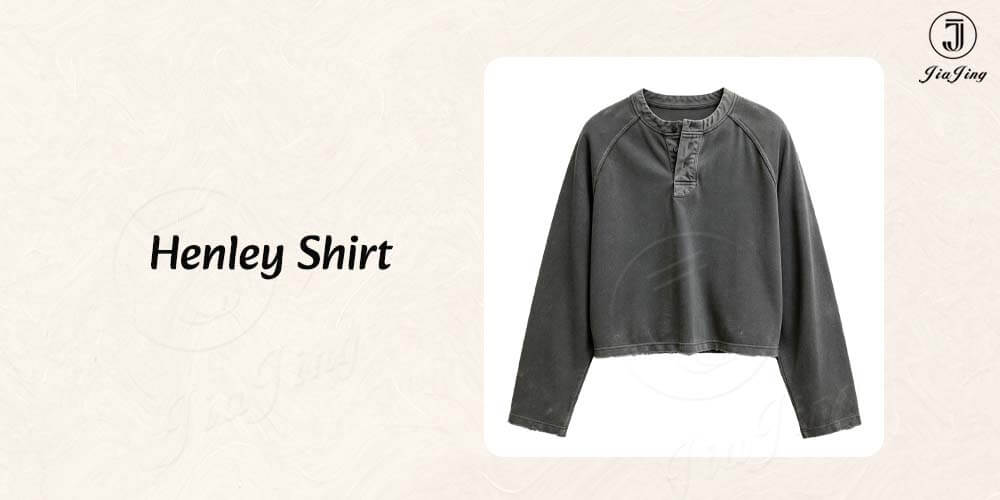
- Henley shirt:
Woven shirts and knit tops require different pattern and sewing considerations. Woven fabrics generally have less natural stretch than jersey, so ease, seam allowance, shoulder movement, and garment measurements need to be planned accordingly. If a woven shirt is intended to have an oversized fit, the pattern should provide the required volume without compromising the collar, placket, or sleeve proportions.
Types of Blouses
Blouses are commonly associated with softer silhouettes, lighter fabrics, draping, and decorative design details. The distinction between a blouse and a shirt is not absolute, and retailers may use the terms differently.
- Button-front blouse: Uses a front opening with buttons and may have a softer silhouette than a conventional shirt.
- Wrap blouse: Uses overlapping front panels, often secured with a tie or closure.
- Tie-front blouse: Includes ties at the front, which may be decorative or functional.
- Peasant blouse: Commonly features a relaxed body, gathers, and a soft neckline or sleeve treatment.
- Smock blouse: Uses gathering or shirring to create volume and texture.
- Peplum top: Has a fitted or shaped upper section with a flared panel around the waist or hip.
- Tunic blouse: Extends farther down the body than a conventional blouse.
Lightweight woven fabrics can create fluid movement, but they may also show puckering or uneven stitching more readily than heavier materials. For gathered sleeves, wrap fronts, or shirred panels, sample review should focus on how the fabric falls, whether the gathers remain even, and whether the closure holds the intended shape.
Polo Shirts and Henley Tops
Polo Shirts
A polo shirt typically has a collar, a short front placket, and short sleeves, although long-sleeve variations are also common. Piqué knit is a traditional option, while jersey and other knits may be used for different looks and performance needs.
Important development details include collar shape, collar stand if used, placket length, button spacing, sleeve opening, and hem finish. Collar and placket samples should be checked for symmetry, shape retention, and alignment after laundering when applicable.
Henley Tops
A Henley is a collarless knit top with a short front placket, usually with buttons. It can be designed with short or long sleeves and may use lightweight jersey, rib knit, or other suitable fabrics.
The placket creates a small but visible construction feature. Fabric stretch, placket reinforcement, and stitch quality influence how well it lies against the body without twisting or pulling.
Types of Sweatshirts and Hoodies
Sweatshirts and hoodies are common choices for casualwear, streetwear, branded apparel, and coordinated sets. They typically use heavier knit fabrics than standard T-shirts, although fabric weight and structure vary by product.
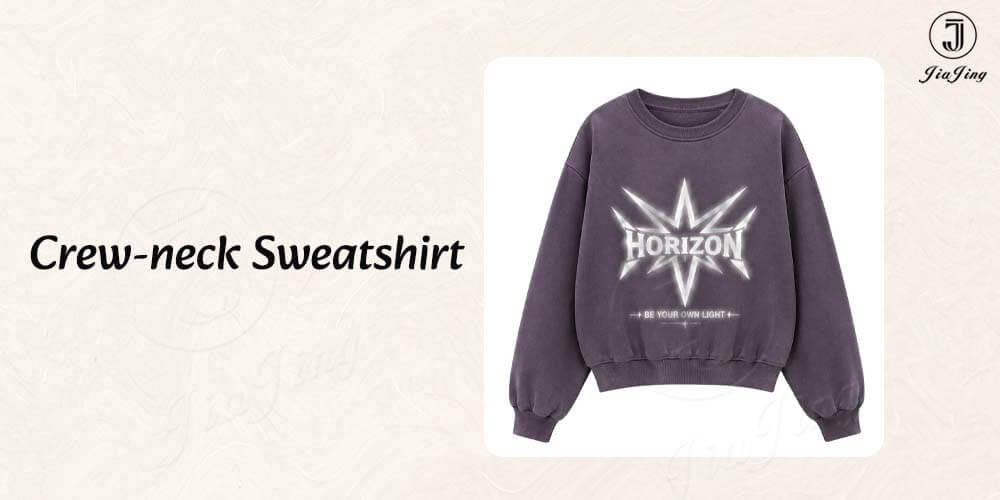
- Crew-neck sweatshirt:
- Oversized sweatshirt:

- Cropped sweatshirt:

- Pullover hoodie:

- Zip-up hoodie:

- Half-zip or quarter-zip pullover:

- Mock-neck sweatshirt:

- Color-block sweatshirt:
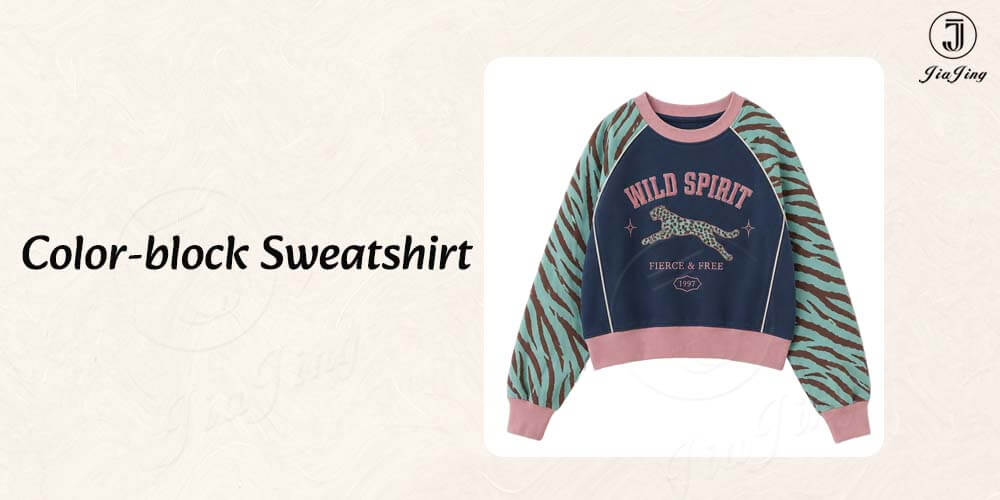
French terry and fleece-backed sweatshirt fabrics are common options, but they create different surface textures, warmth, bulk, and drape. Ribbed cuffs and hems also influence how the garment sits and recovers after wear.
Decoration needs to be considered alongside the fabric. Dense direct embroidery may distort lightweight or highly stretchable knits, while a patch, print, or adjusted embroidery design may be worth testing. The appropriate solution depends on fabric construction, stretch, artwork size, stitch density, backing, and placement.
For zip-up hoodies, check zipper length, tape color, top and bottom stops, and how the front panels align when closed. For oversized sweatshirts, review sleeve volume and cuff proportions together rather than adjusting body width alone.
Types of Sweaters and Other Knit Tops
Sweaters are made from knitted yarn rather than the cut-and-sewn sweatshirt fabrics commonly used for sweatshirts. Cardigans and sweater vests are also knitwear, but their opening and sleeve construction differ.
- Crew-neck sweater: A knit top with a round neckline.
- V-neck sweater: Features a V-shaped neckline, often used for layering over shirts.
- Turtleneck: Has a high neckline that covers the neck.
- Mock-neck sweater: Has a raised neckline that generally does not fold over like a traditional turtleneck.
- Cardigan: A knit garment with a front opening, commonly secured by buttons or a zipper.
- Sweater vest: A sleeveless knit garment intended for standalone wear or layering.
- Rib-knit top: Uses ribbed knit construction for texture and potential stretch.
Knitwear development requires attention to yarn, stitch structure, gauge, weight, stretch, recovery, and finishing. These factors affect the garment's drape and dimensions. If a brand is developing cut-and-sewn knit tops rather than knitted-to-shape sweaters, fabric behavior and seam construction become especially important.
Fashion Tops and Special Silhouettes
Fashion tops are often defined by their silhouette, neckline, length, or construction details rather than by a completely different base garment.
- Crop top: A shortened top that ends above the usual hem position.
- Off-shoulder top: Sits below the shoulders and may use elastic or structured support to stay in place.
- One-shoulder top: Uses an asymmetrical neckline with one shoulder covered more than the other.
- Halter top: Secures around the neck or uses a halter-shaped strap arrangement.
- Tube top: A strapless tube-shaped garment that relies on its construction and fit to stay in place.
- Bandeau top: A simple strapless style that wraps around the upper torso.
- Wrap top: Uses overlapping fabric panels to shape the front.
- Bodysuit: Extends through the crotch and usually includes a closure for a close-fitting silhouette.
- Corset-style top: Uses structured panels or corset-inspired details to shape the body; actual boning is design-dependent.
- Babydoll top: Typically has a fitted upper section and a fuller body below the bust or upper chest.
- Peplum top: Features a flared section around the waist or hip.
- Tunic top: Uses an extended body length for additional coverage.
Special silhouettes often require more attention to balance and support than basic tops. For off-shoulder, tube, and halter designs, confirm coverage, stability, and movement during fitting. For wrap and asymmetrical tops, check that the panels remain in position and that the garment hangs as intended.
Types of Activewear Tops
Activewear tops are designed around movement, coverage, and the intended activity. Common examples include:
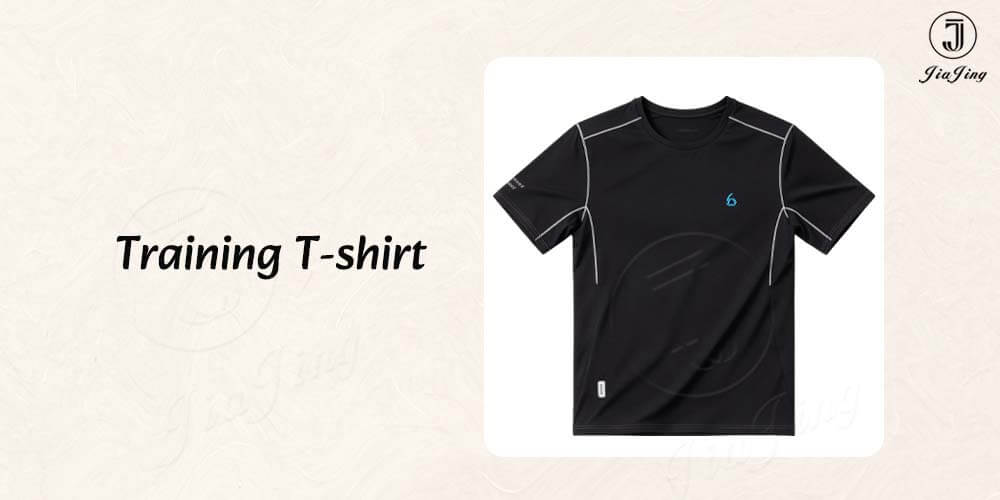
- Training T-shirt:
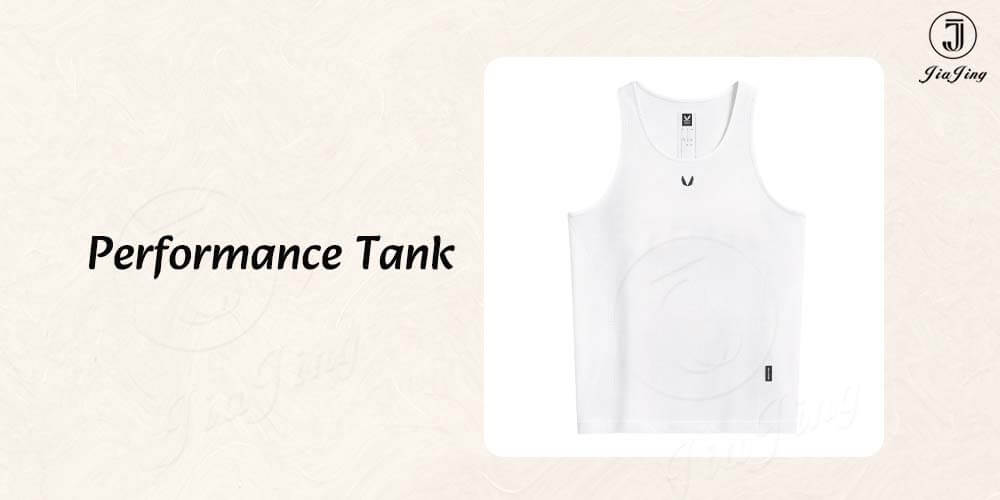
- Performance tank:
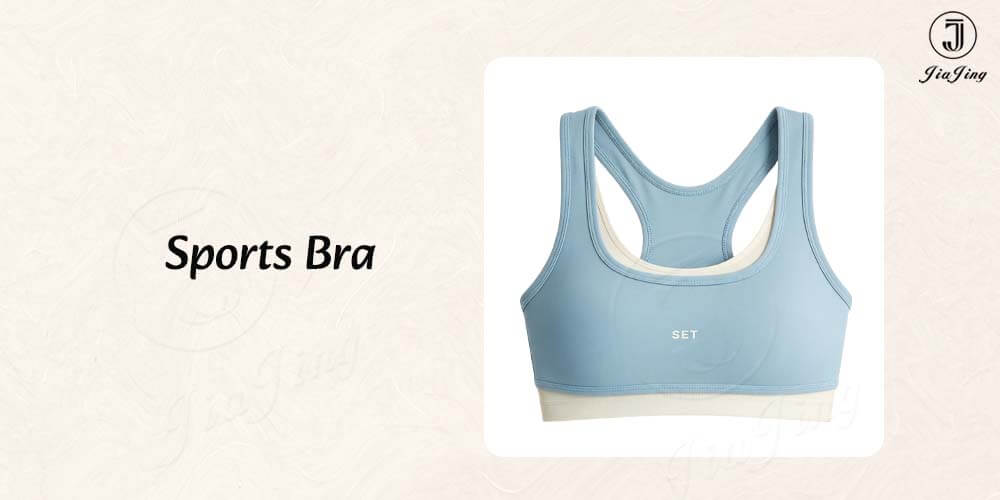
- Sports bra:
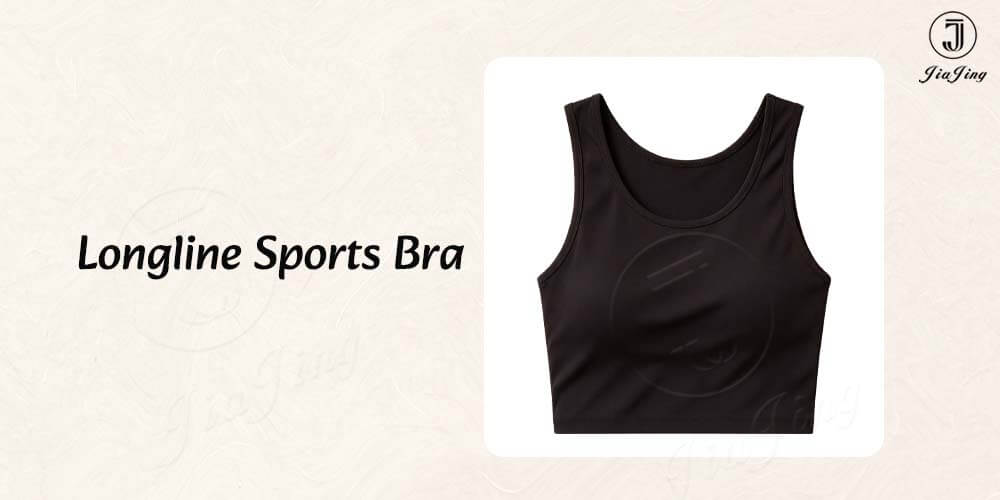
- Longline sports bra:
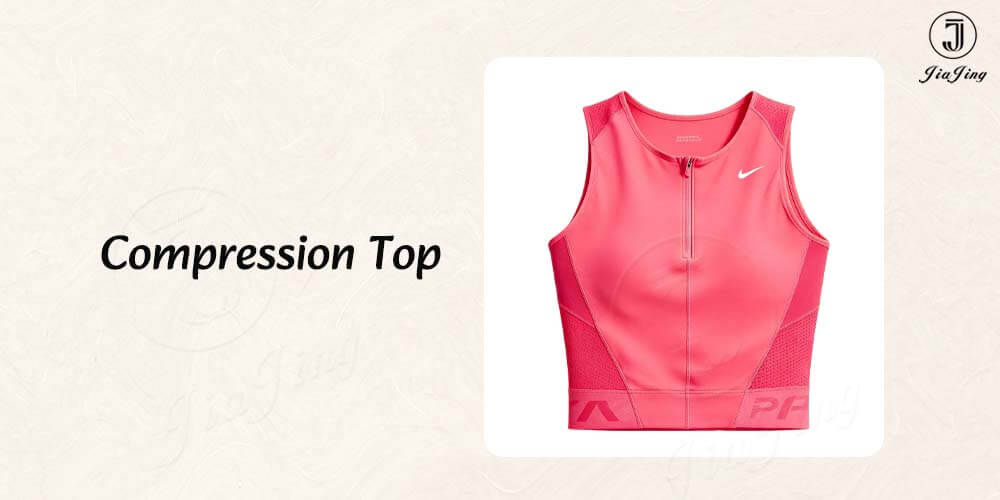
- Compression top:
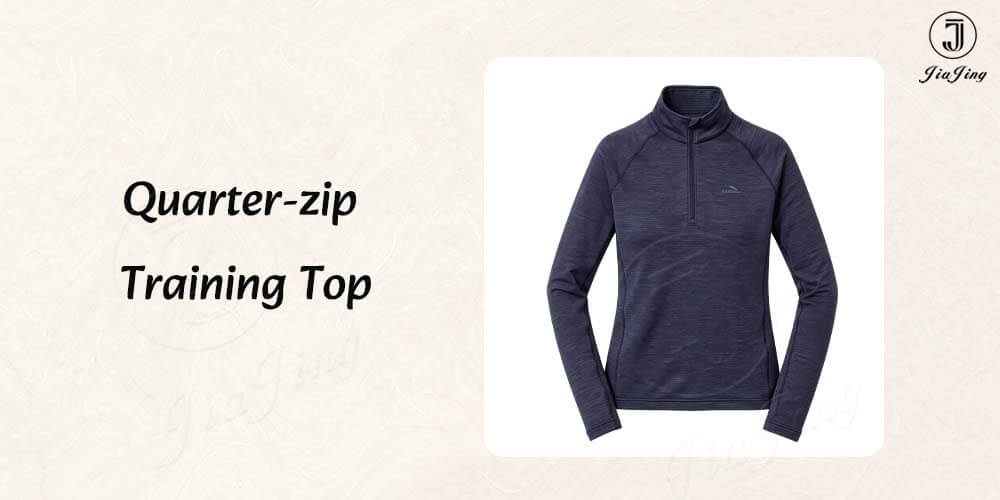
- Quarter-zip training top:
- Long-sleeve performance top:

Do not assume that a garment is moisture-wicking, quick-drying, or compressive based on its style name alone. These properties depend on the actual materials, construction, and relevant performance testing. Brands should specify fabric composition, stretch and recovery, opacity, seam placement, lining, and intended use before confirming the product.
Types of Necklines and Collars
Neckline and collar details can change the appearance of the same basic top without changing its main garment category.
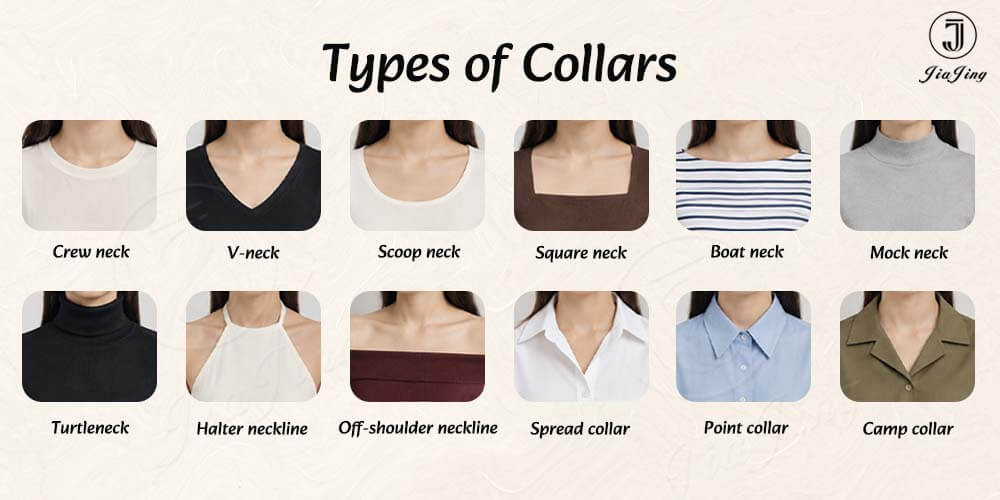
- Crew neck: A round neckline close to the base of the neck.
- V-neck: A neckline that forms a V shape.
- Scoop neck: A rounded neckline with a deeper opening than a typical crew neck.
- Square neck: A neckline with a relatively straight horizontal edge and defined corners.
- Boat neck: A wide neckline that runs relatively horizontally toward the shoulders.
- Mock neck: A raised neckline that does not usually fold over.
- Turtleneck: A high neckline that covers the neck and may fold over.
- Halter neckline: Uses straps or fabric that connect around the neck.
- Off-shoulder neckline: Sits below the shoulders.
- Spread collar: A shirt collar with points that angle outward.
- Point collar: A shirt collar with narrower, more downward-directed points.
- Camp collar: A relaxed, open collar commonly associated with casual shirts.
Neckline selection affects more than appearance. It determines how much binding, ribbing, facing, interfacing, or other support may be required. Deep or wide necklines should be checked for gaping, while narrow neck openings should be reviewed for comfort and ease of dressing.
Types of Sleeves
Sleeve design is another way to create variations within the same top category.
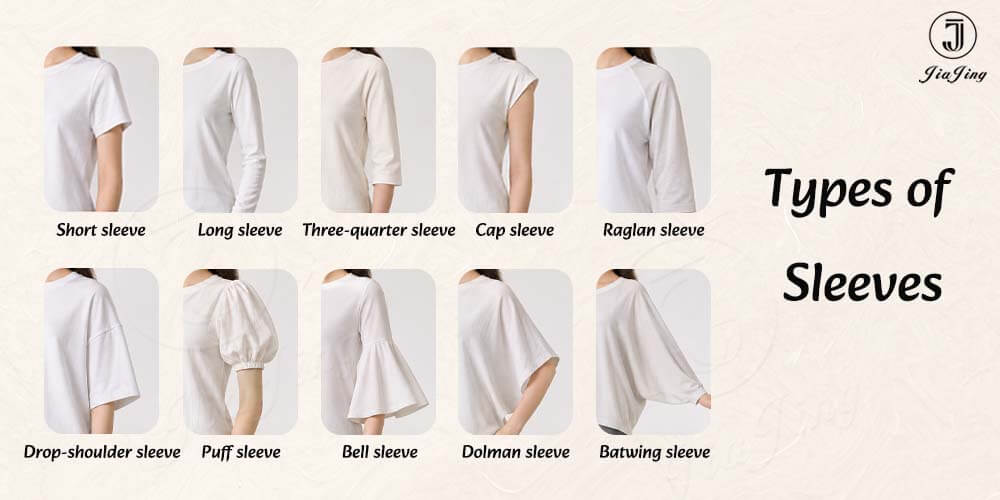
- Short sleeve: A sleeve that ends above the elbow.
- Long sleeve: Extends toward the wrist.
- Three-quarter sleeve: Typically ends between the elbow and wrist.
- Cap sleeve: A short sleeve that covers only part of the shoulder.
- Raglan sleeve: Extends toward the neckline with a diagonal seam.
- Drop-shoulder sleeve: Has a shoulder seam positioned below the natural shoulder point.
- Puff sleeve: Uses gathering or volume to create a fuller sleeve shape.
- Bell sleeve: Flares toward the sleeve opening.
- Dolman sleeve: Uses a deep armhole and a sleeve integrated into the body shape.
- Batwing sleeve: Has a broad, wing-like shape extending from the body toward the wrist.
Armhole depth, sleeve cap shape, bicep width, and sleeve opening work together to determine comfort and appearance. Adding sleeve volume without adjusting the armhole and body pattern can restrict movement or create excess fabric. Sample fitting should assess the complete sleeve shape rather than sleeve length alone.
Types of Fits and Garment Lengths
Fit and length describe how a top is shaped and where it ends. They can be combined with many different garment types.
Common Fits
- Slim fit: Follows the body relatively closely.
- Regular fit: Provides conventional ease without an intentionally oversized silhouette.
- Relaxed fit: Offers additional room through the body or sleeves.
- Oversized fit: Uses deliberately increased volume and may include dropped shoulders.
- Boxy fit: Emphasizes width and a relatively straight body shape.
- Fitted or body-hugging fit: Follows the body closely, with the required ease depending on the fabric and pattern.
Common Lengths
- Cropped: Ends above the conventional waist or body-length position.
- Waist length: Ends around the waist.
- Hip length: Extends to the hip area and is common for many everyday tops.
- Longline: Extends below a conventional top length.
- Tunic length: Often reaches below the hips and may extend toward the thighs.
Terms such as oversized, relaxed, and boxy are not universal measurement standards. A brand should define its own fit through garment measurements, reference samples, and a clear size specification. This is particularly important when repeating a style across colors or placing repeat orders with updated fabric lots.
How to Choose Fabric for Different Types of Tops
Fabric should support the intended silhouette, wearing conditions, construction, and decoration. The most suitable option is not always the lightest, heaviest, softest, or most expensive material.

|
Top Category |
Common Fabric Options |
Key Considerations |
|
T-shirts and tank tops |
Cotton jersey, rib knit, stretch blends |
Weight, opacity, stretch, recovery |
|
Shirts |
Poplin, Oxford cloth, twill |
Structure, drape, wrinkle behavior |
|
Blouses |
Viscose, rayon, crepe, woven blends |
Drape, transparency, seam puckering |
|
Polo shirts |
Piqué knit, jersey |
Collar stability, placket construction |
|
Sweatshirts and hoodies |
French terry, fleece-backed knits |
Weight, drape, shrinkage, decoration |
|
Activewear tops |
Polyester or nylon blends with elastane |
Stretch, recovery, opacity, seam comfort |
|
Sweaters |
Wool, cotton, acrylic, blended yarns |
Gauge, stitch structure, recovery |
Why Fabric Weight Matters
Fabric weight, commonly expressed in grams per square meter (GSM), helps buyers compare material options, but it does not describe the entire fabric. Two fabrics with the same GSM can differ in thickness, softness, density, stretch, surface texture, and drape.
For example, a lightweight jersey may work well for a fluid summer T-shirt but may not provide enough body for a structured oversized silhouette. A heavier jersey may hold a boxy shape more effectively, yet feel too warm or stiff for the intended product. Compare actual swatches and review the fabric on a sample garment before confirming bulk specifications.
Match Decoration to the Fabric
Printing, direct embroidery, appliqué, and patches create different surface effects and place different demands on the garment. Large or dense embroidery can pull lightweight knits, while thick patches may add unwanted stiffness to soft fabric. Print suitability also depends on the fabric composition, surface, color, and selected printing process.
When decoration is central to the design, approve the combination of fabric, artwork, placement, and production method together. A digital mockup can show the intended layout, but a physical sample is needed to assess texture, stiffness, distortion, and the actual appearance of the finished garment.
How to Choose the Right Types of Tops for a Clothing Brand
The right assortment depends on the brand's target customer, price positioning, season, design direction, and production requirements. Rather than selecting styles only by appearance, use the following framework to narrow down suitable products.
|
Brand Goal |
Styles to Consider |
Key Development Checks |
|
Everyday essentials |
T-shirts, basic tanks, long-sleeve tees |
Fit consistency, shrinkage, color consistency |
|
Graphic-led collections |
Graphic tees, sweatshirts, hoodies |
Artwork placement, fabric compatibility |
|
Contemporary fashion |
Boxy, cropped, wrap, asymmetric tops |
Proportions, drape, fit across sizes |
|
Smart casual |
Shirts, blouses, polos, knit tops |
Construction, finishing, ease of movement |
|
Sportswear and activewear |
Performance tees, tanks, sports bras |
Stretch, recovery, coverage, seam comfort |
|
Cold-weather layering |
Sweatshirts, hoodies, sweaters |
Warmth, bulk, layering room |
Define the Product Before Requesting a Quote
A useful product brief identifies the base garment, fit, fabric composition and weight, color, size range, construction details, and decoration requirements. Include reference images or technical flats, a measurement chart, artwork files, and relevant label or packaging specifications when available.
Terms such as oversized T-shirt or premium hoodie are not sufficient on their own to define a manufacturable product. Two buyers can use the same term while expecting different shoulder drops, body lengths, fabric weights, or finishing details.
Review Sampling and Production Requirements
For a custom clothing project, the physical sample helps confirm the relationship between the design, fabric, fit, construction, and decoration. Record approved measurements and materials before bulk production so that the production team has a clear reference.
For planning purposes, JiaJing Apparel's standard guidance is an MOQ of 50 pieces per style per color, a sample lead time of 7–15 days, and a bulk production lead time of 30–45 days. Actual requirements can vary with the product, materials, customization, and order scope. Confirm the details for the specific project before placing an order.
Brands looking for a production partner can learn more about custom cut-and-sew manufacturing, including the information needed to develop garments from a brand's own design and specifications.
Frequently Asked Questions About Types of Tops
What are the most common types of tops?
What is the difference between a shirt and a top?
What is the difference between a blouse and a shirt?
What is the difference between a sweatshirt and a sweater?
What are the main types of tops for women?
What are the main types of tops for men?
Which types of tops are suitable for a new clothing brand?
How do I choose fabric for a custom top?
Can different types of tops be customized for private-label production?
Final Thoughts
Understanding the different types of tops helps clothing brands build more coherent collections and communicate product requirements more accurately. Start with the garment category, then define the silhouette, neckline, sleeves, fabric, construction, and decoration.
The most effective product choice is the one that fits the brand's design direction and target customer while remaining practical to manufacture. Clear specifications, material review, and physical sample approval help reduce avoidable changes before bulk production.
Launch Your Precision Manufacturing Project